

How Does Your Health Affect Your Eligibility for Dental Implants?
Most dental implant patients focus on the procedure itself and the benefits it offers. Your health is the most crucial factor in determining whether you qualify for dental implants. If you’re wondering how factors like age, bone density, and overall health impact your candidacy, you’re in the right place. Dental implants are a permanent solution for missing teeth, offering stability, functionality, and a natural look. But the success of this procedure depends on more than just the technology behind it.
What Are Dental Implants?
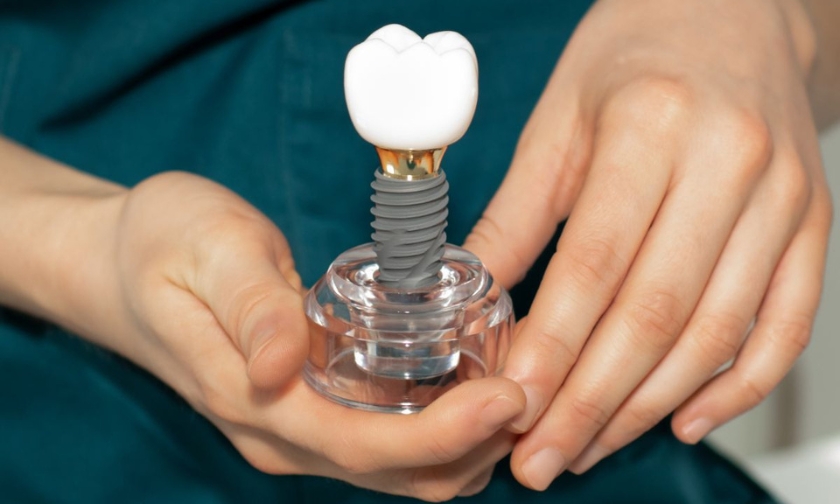
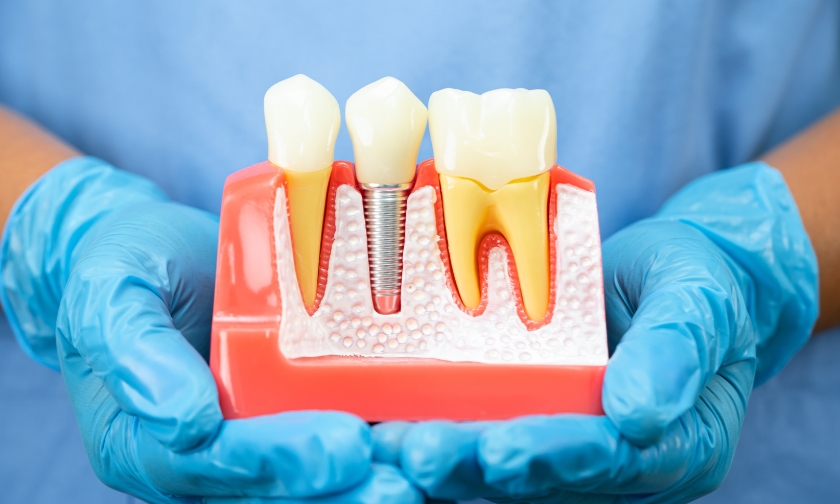
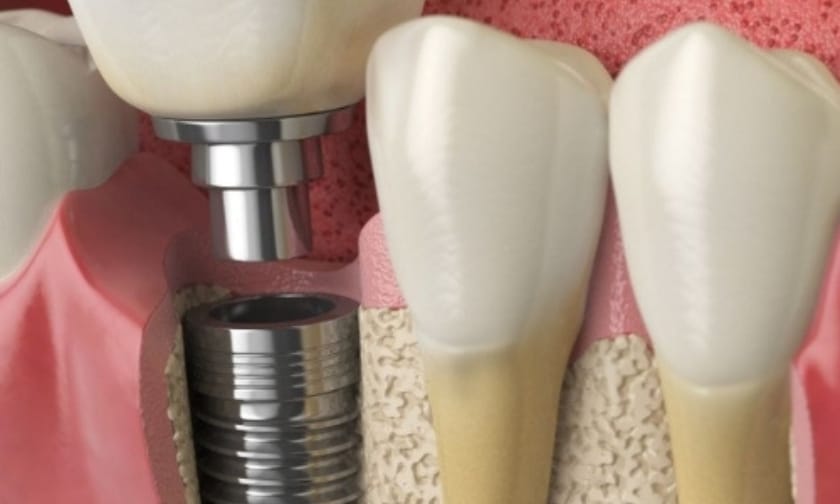
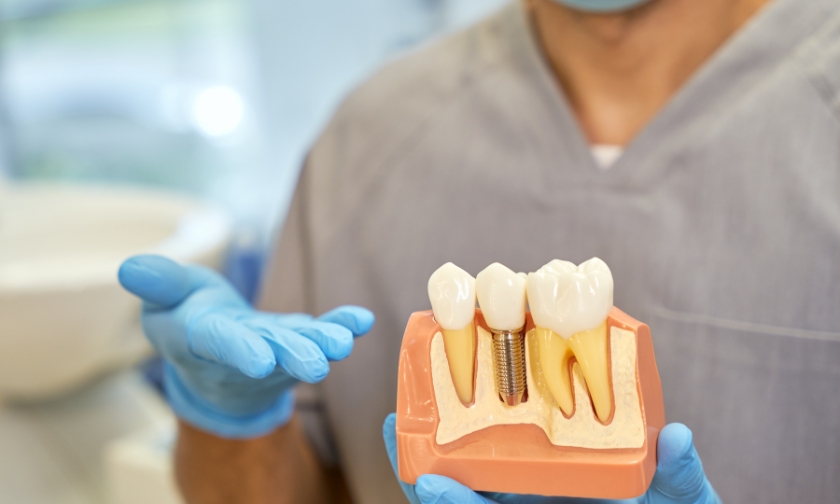
Before getting into the details concerning eligibility, let’s briefly explain what dental implants are. Dental implants are titanium posts surgically positioned into your jawbone to replace the roots of your missing teeth. With time, bone fuses with the implant, thereby providing a stable foundation for replacement teeth. This solution works for most patients, but not all patients are good candidates.
The Role of Your Health in Dental Implant Success
While dental implants are designed to be long-lasting, your overall health can significantly influence the success of the procedure. Here’s what you need to consider when evaluating whether dental implants are a good fit for you:
Bone Density: The major factor for implant eligibility
One of the major prerequisites for dental implants is that your jaw must have sufficient bone density. If your jawbone has deteriorated due to tooth loss or other factors, there may not be enough bone to support the implant. This factor does not eliminate the possibility of implants for many people; instead, bone grafting procedures can often help rebuild bone density, making the jaw a more viable home for implants.
What You Can Do:
- Prevent bone loss: The sooner the tooth is replaced, the better. The longer a tooth has been missing, the more likely there is to be bone loss.
- Bone grafting: Sometimes, when there is not enough jawbone, it can be used to help the patient.
Age: Why It’s Not Just About How Old You Are
While age is a consideration in many medical procedures, it is not necessarily a direct factor in determining dental implant candidacy. However, other health considerations change with age: the jawbones of younger patients are typically fully developed, while older patients may face reduced bone density or chronic conditions that might impair healing.
What You Should Know:
- Younger patients: Dental implants tend to be more successful once the jawbone has fully developed, usually in the late teens or early twenties.
- Older patients: Additional health concerns may arise with age, but older adults can still be good candidates for dental implants if they are healthy and their jawbone is sufficient.
Chronic Conditions and Their Impact on Implant Eligibility
Active uncontrolled diabetes, heart conditions, or autoimmune disorders may affect your ability to have dental implants. These conditions can influence healing times and, in some cases, the success of the implants. For instance, uncontrolled diabetes may make it hard for your body to heal properly after surgery, while heart conditions might need special precautions before undergoing surgery.
How to Manage This
- Consult your doctor: If you have chronic conditions, you’ll want to work with both your dentist and your physician to ensure there are no health concerns that could interfere with dental implant surgery.
- Control underlying conditions: Well-managed chronic conditions can increase your chances of a successful dental implant procedure.
Oral Health: The Foundation of Implant Success
To be a candidate for dental implants, one needs to have good oral health. Preexisting conditions such as gum disease or tooth decay must be treated before implants can be installed. Healthy gums and teeth provide an ideal environment for implants, so addressing any oral health issues before surgery increases the success rate of the procedure.
What You Can Do
- Address gum disease: It must be resolved before dental implants become an option.
- Good oral hygiene: A regular oral hygiene routine will keep both your gums and teeth healthy, hence enabling the implants to thrive in the long run.
Factors affecting dental implant eligibility include bone density, overall health, and oral hygiene. You should consider a complete evaluation with your dentist if you are considering dental implants.
With proper oral health and management of chronic conditions, your chances of a successful implant procedure could be improved. If you are ready to take the next step toward a healthier, more confident smile, contact Nederland Family Dental today. Our team will walk you through the process to ensure you have the best possible outcome.