

All-on-4 Implants vs. Dentures and Bridges: Which Actually Lasts Longest
When it comes to replacing missing teeth, Nederland patients face a real choice. All-on-4 implants vs. dentures and bridges — which actually lasts longest in Nederland? The answer depends on your bone health, lifestyle, and long-term goals. This guide helps you understand each option clearly, so you can make a confident, informed decision.
Understanding Your Three Main Options in Nederland
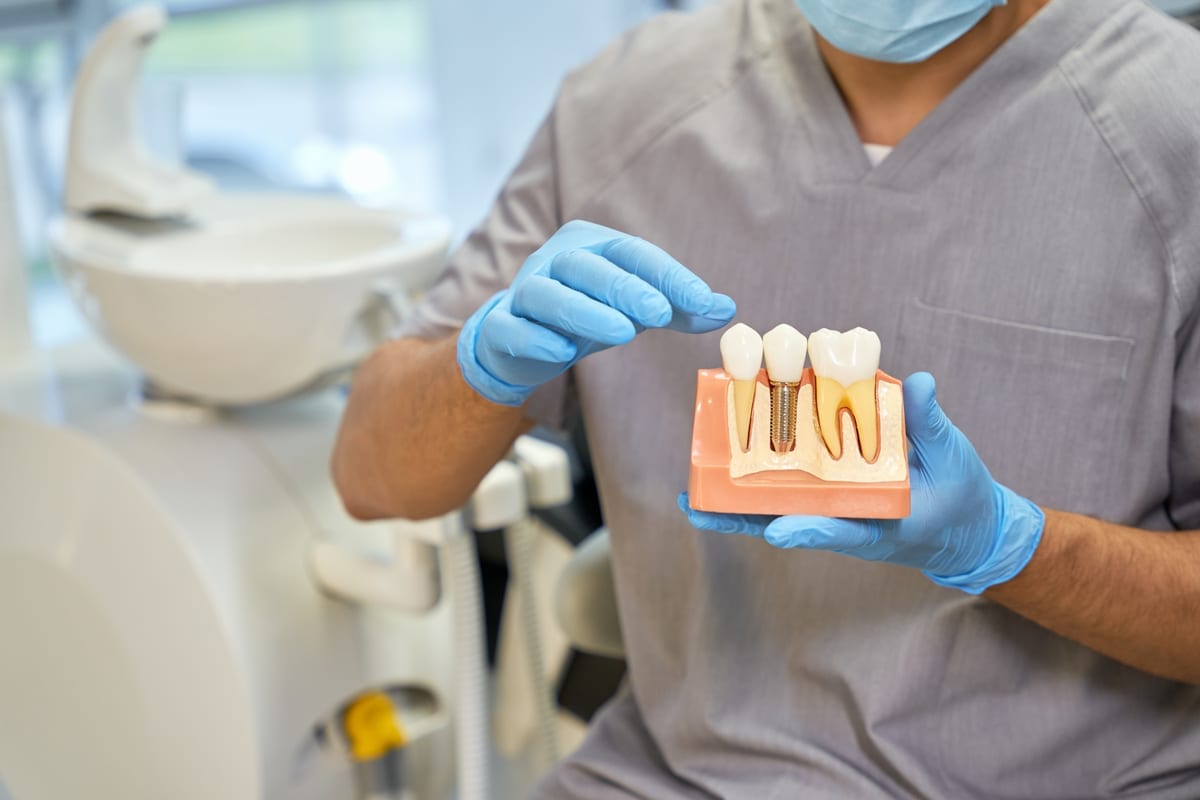
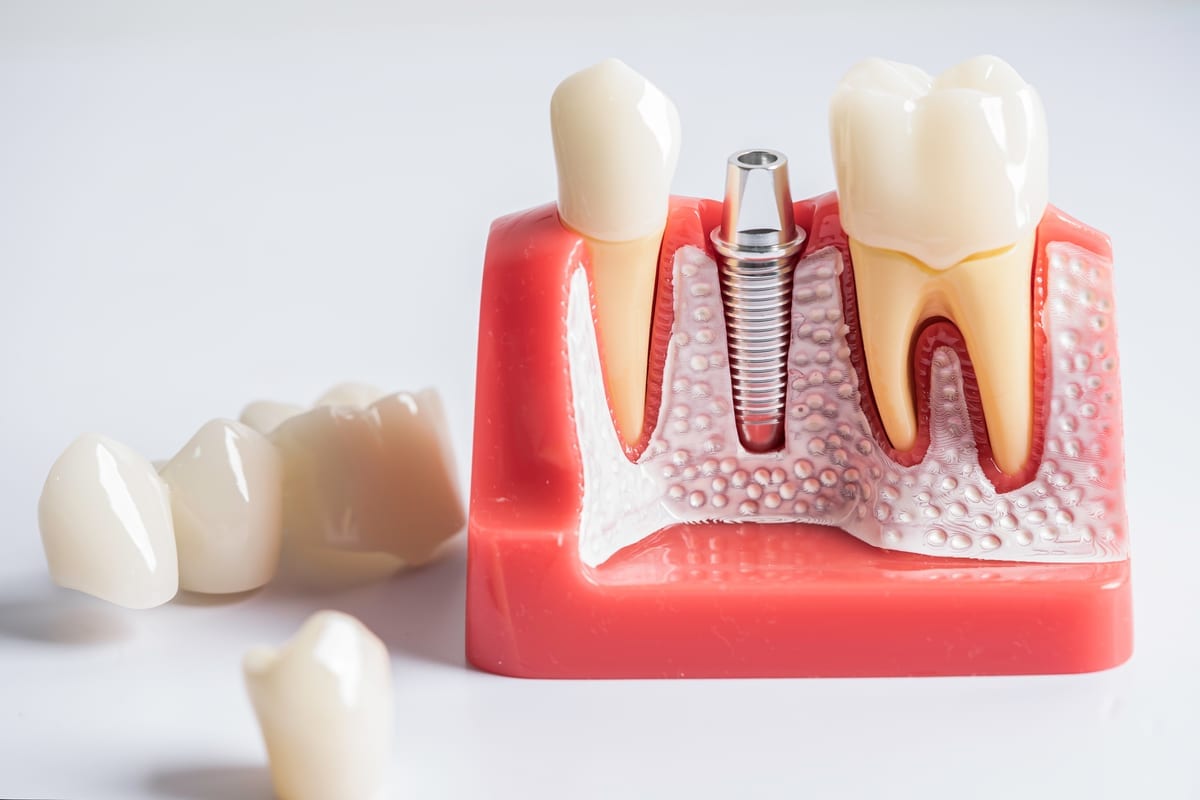
Before comparing longevity, it helps to know what each option actually involves. All-on-4 implants use four titanium posts anchored in your jawbone. They support a full arch of replacement teeth that look and feel natural.
Traditional dentures are removable appliances that rest on your gums. They require adhesives and daily removal for cleaning. Many patients find them less stable than they hoped.
Dental bridges fill gaps by anchoring crowns to neighboring teeth. They are fixed in place and do not require removal. However, they rely on the health of surrounding teeth for long-term support.
Each solution suits a different type of patient. Understanding the differences is the first step toward choosing wisely. Dr. Whitney Gomez at Nederland Family Dental walks every patient through this process with care and patience.
All-on-4 Implants vs. Dentures and Bridges: Which Actually Lasts Longest
Longevity is one of the biggest factors patients weigh when making this decision. Here is how the three options compare over time.
- All-on-4 Implants: With proper care, they can last 20 years or more. The titanium posts fuse to the jawbone and become a permanent part of your anatomy.
- Dental Bridges: Most bridges last between 10 and 15 years. They eventually need replacement as the supporting teeth wear or shift.
- Dentures: Traditional dentures typically last 5 to 7 years before they need relining or full replacement. Bone loss over time changes the fit.
All-on-4 implants clearly win on durability. However, they require adequate bone density to succeed. A consultation with Dr. Gomez will determine whether your jaw can support implants.
Bridges offer a middle ground — fixed and natural-looking, but dependent on neighboring tooth health. Dentures remain the most accessible option but often require the most ongoing maintenance.
How Each Option Affects Your Jawbone and Overall Health
This is where All-on-4 implants hold a significant advantage. When you lose teeth, your jawbone begins to shrink. This process is called bone resorption, and it affects your facial structure over time.
All-on-4 implants stimulate the jawbone just like natural tooth roots. This stimulation prevents bone loss and preserves your facial shape. Patients who choose implants often look younger longer because of this benefit.
Dentures sit on top of the gums and do not stimulate the bone at all. Over time, bone resorption continues, and the denture fit worsens. Patients often need frequent adjustments and eventual replacement.
Bridges do not stimulate bone in the gap left by missing teeth either. The surrounding bone beneath the bridge can still shrink over time. This can affect the stability of the bridge and adjacent teeth.
Day-to-Day Life: Comfort, Confidence, and Convenience
Your quality of life matters just as much as longevity. Here is what patients in Nederland report about daily living with each option.
- All-on-4 Implants: Eat anything you want. No adhesives. No removal at night. Brush and floss normally.
- Bridges: Fixed in place, so no removal needed. Require special flossing tools under the bridge. Some food restrictions may apply.
- Dentures: Must be removed for cleaning. Can slip during eating or speaking. May limit certain foods like hard or sticky items.
All-on-4 patients consistently report the highest satisfaction with daily comfort and confidence. Many say the experience is close to having natural teeth again. That matters enormously for self-esteem and social interactions.
Bridges offer solid everyday function without removal. They feel more secure than dentures. However, cleaning around the bridge requires extra attention and special tools.
Dentures remain a practical option for patients who are not candidates for implants. They are fully removable and easier to clean than bridges in some respects. Modern dentures have improved significantly in comfort and appearance.
Choosing the Right Option for Your Situation in Nederland
There is no single right answer for every patient. The best choice depends on your unique oral health profile. Dr. Whitney Gomez takes time to evaluate each patient individually before recommending any treatment.
You may be a strong candidate for All-on-4 implants if you have sufficient jawbone density and are in good overall health. Patients who want a permanent, low-maintenance solution often find implants the most rewarding long-term investment.
Bridges may suit you better if you are replacing one or a few teeth in a healthy mouth. They are less invasive than full implants and work well when neighboring teeth are strong. Your dentist will assess whether adjacent teeth can support a bridge safely.
Dentures remain a valid and dignified option for many patients. They work well for those who need full-arch replacement without surgery. If you experience a dental emergency that results in sudden tooth loss, Emergency Dentistry Nederland services can help stabilize your situation while you plan your long-term solution.
For patients and families across the area, Family Dentistry Nederland provides comprehensive care that supports every stage of your oral health journey. Preventive care plays a big role in how long any restoration lasts.
Conclusion: Making Your Decision With Confidence
When comparing All-on-4 implants vs. dentures and bridges in Nederland, implants typically offer the longest lifespan. They protect your bone, feel the most natural, and require the least daily effort over time. That said, every patient is different, and the right choice is the one that matches your health, goals, and priorities.
Dr. Whitney Gomez and the team at Nederland Family Dental are here to guide you through every option without pressure. A thorough consultation gives you the full picture so you can decide with clarity. Book Now to schedule your appointment with our team.
Frequently Asked Questions
How long do All-on-4 implants actually last compared to dentures?
All-on-4 implants can last 20 years or more with proper oral hygiene and regular dental visits. Traditional dentures typically need relining or replacement every 5 to 7 years. The difference in longevity is substantial, making implants a stronger long-term investment for many patients.
Are All-on-4 implants painful to get?
The procedure is performed under local anesthesia, so you should not feel pain during the placement. Most patients experience mild soreness and swelling in the days following surgery. Dr. Gomez provides detailed aftercare guidance to keep you comfortable during recovery.
Can anyone get All-on-4 implants, or are there restrictions?
Most healthy adults with adequate jawbone density are good candidates. Patients with significant bone loss may need a bone graft first, or may be directed toward an alternative solution. A thorough exam and imaging appointment helps determine your eligibility clearly.
Do dental bridges require special care compared to natural teeth?
Yes, bridges require specialized flossing tools like floss threaders or water flossers to clean underneath the pontic. Brushing technique around the crowns also matters to prevent decay. Your dentist will demonstrate the proper cleaning routine at your appointment.
What happens to my jawbone if I choose dentures instead of implants?
Dentures do not stimulate the jawbone the way natural teeth or implants do. Over time, the bone beneath the denture gradually shrinks in a process called resorption. This causes changes in facial shape and makes the denture fit loose, which is why periodic adjustments are needed.