

Dr. Gomez’s Top 5 Oral Health Tips That Most People Overlook

Maintaining a healthy mouth is about more than just a bright smile; it is a critical component of your overall physical health. Many people view dental care as a reactive process, only reaching out when a toothache becomes unbearable or a visible problem arises. However, the most successful approach to oral health is rooted in consistent, proactive habits that prevent issues before they start. By focusing on simple but effective daily routines, you can avoid the discomfort and complexity of major dental repairs.
Dr. Gomez has seen thousands of patients walk through the doors at Nederland Family Dental over the years, and the patterns are unmistakable. The same preventable problems recur, driven by the same gaps in daily care. What follows are the five tips Dr. Gomez returns to most often — the ones that actually move the needle on long-term oral health.
Tip 1: Brush for the Right Amount of Time and at the Right Moment
Two Minutes Is a Standard Practice
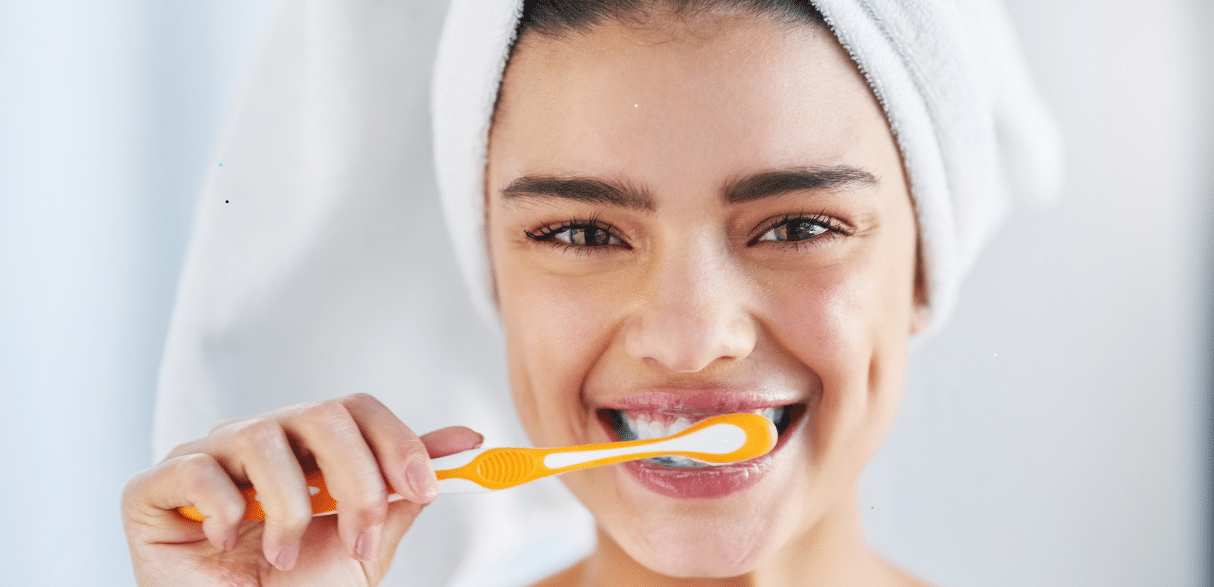
Most people brush their teeth. Far fewer people brush them for long enough. The American Dental Association recommends two full minutes of brushing twice daily, yet studies consistently show that the average adult brushes for less than a minute. That’s enough to remove surface debris but not enough to adequately disrupt the biofilm or plaque that accumulates along the gumline and between teeth.
Technique matters alongside timing. A soft-bristled brush held at a 45-degree angle to the gumline, using short, gentle circular strokes, cleans more effectively than aggressive back-and-forth scrubbing.
The timing of brushing also carries real consequences that most patients don’t consider. Brushing immediately after consuming acidic foods or drinks, such as citrus, coffee, or soda, can damage softened enamel. Waiting 30 minutes after eating before brushing gives saliva time to neutralize acids and remineralize the enamel surface before you introduce friction.
For patients searching online for a ‘dentist near me’ in Nederland, Dr. Gomez’s team regularly reviews brushing technique at routine visits, because small corrections to a daily habit compound significantly over time.
Tip 2: Floss Daily, and Do It Before You Brush
The Sequence Changes the Outcome
Flossing is the most skipped step in oral hygiene, and it’s the one that makes the most difference in preventing the conditions that lead to cavities between teeth and gum disease. Toothbrush bristles simply cannot reach the contact points between teeth — the areas where approximately 35% of each tooth’s surface lives. If you’re not flossing, you’re leaving more than a third of each tooth uncleaned.
The sequence matters more than most people realize. Flossing before brushing, rather than after, dislodges plaque and food particles from between teeth so that fluoride from your toothpaste can reach those surfaces during brushing.
Proper technique means curving the floss into a C-shape around each tooth and sliding it gently beneath the gumline rather than snapping it between teeth, which can harm the gum tissue.
Tip 3: Watch What You Drink More Than What You Eat
Frequency of Exposure Matters as Much as Sugar Content
The relationship between diet and dental health is well known, but most people focus on food while underestimating the impact of what they drink. The issue isn’t just sugar content — it’s the frequency and duration of acid and sugar exposure throughout the day.
Every time your mouth is exposed to sugar or acid, the oral pH drops and enamel enters a demineralization phase that lasts 20 to 40 minutes. Three meals a day create three exposure windows. Sipping a sugary coffee or sports drink over two hours creates a sustained low-pH environment that keeps enamel under constant acid attack.
If you drink coffee, juice, or soda, rinse with water afterward to reduce your enamel’s exposure time.
Tip 4: Don’t Ignore Dry Mouth — It’s a Risk Factor
Saliva Does More Work Than Most People Appreciate
Dry mouth (xerostomia) is one of the least talked about risk factors for dental decay and gum disease. Saliva isn’t simply moisture. It contains antimicrobial proteins, reduces oral acids, delivers minerals to enamel, and washes away food debris and bacteria. When salivary flow decreases, the oral environment becomes more hospitable to the bacteria that drive decay and periodontal disease.
If you consistently wake up with a dry mouth, have difficulty swallowing dry foods, or notice your dental decay rate has increased, mention it to Dr. Gomez at your next visit to Nederland Family Dental.
Tip 5: Keep Your Dental Appointments Even When Nothing Hurts
Prevention Costs Less Than Treatment
This is the tip that patients most commonly let slide. Dental problems are almost always more manageable and less invasive when caught early. A cavity identified as a small lesion requires a straightforward filling. The same cavity left undetected for another year may require a crown. Left another year, a root canal. Left further still, extraction.
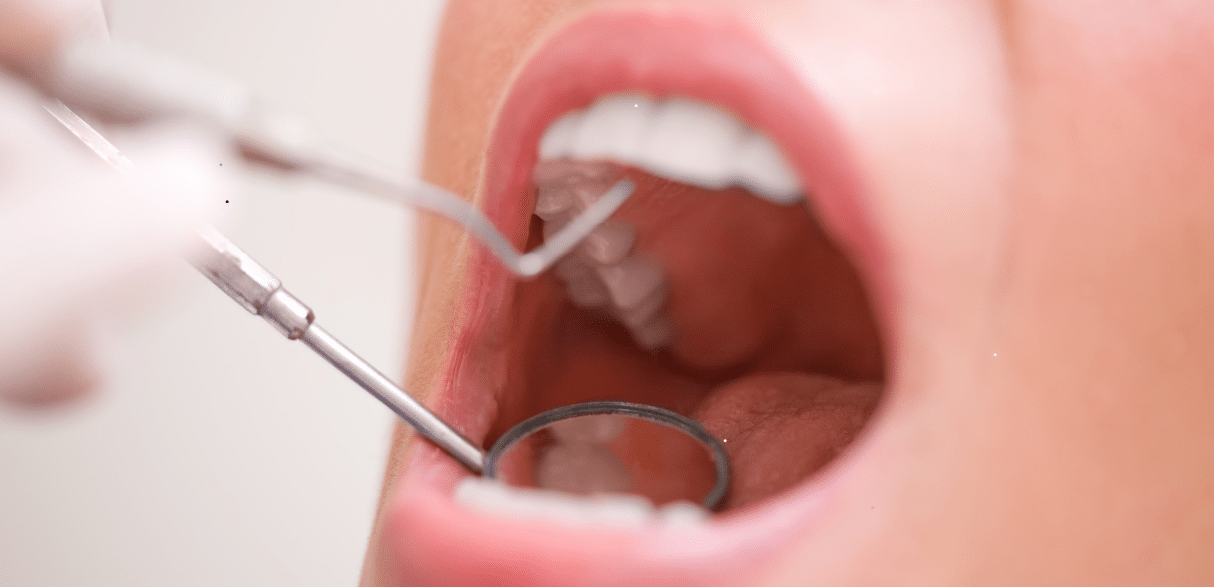
Routine visits every six months include professional cleaning, X-ray assessment at appropriate intervals, periodontal charting, and an oral cancer screening — none of which you can replicate at home, regardless of how thorough your daily hygiene is. Patients who maintain consistent dental visits require less restorative work over time.
Knowing what to do and having a dental team that supports you in doing it consistently are two different things. Dr. Gomez and the team at Nederland Family Dental are here to help you build the kind of oral health routine that prevents problems before they start and to catch anything that needs attention before it turns into an extensive oral issue. Call today or book your appointment online.