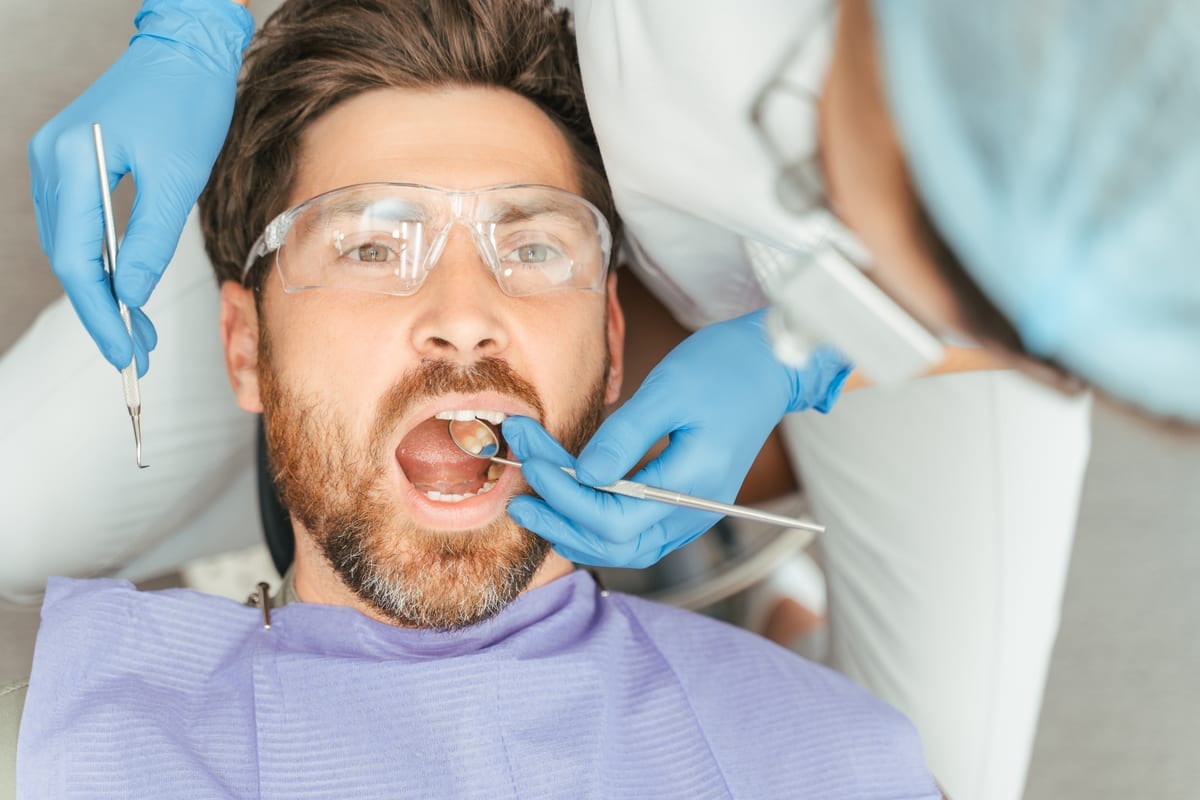


Silent Gum Disease: Stop It Before Treatment Gets Expensive

Most people in Port Neches never notice gum disease until it causes real damage. It starts without pain, without obvious swelling, and often without any warning at all. By the time symptoms appear, treatment becomes more complex and costly. Understanding silent gum disease — and how to stop it before treatment gets expensive in Port Neches — is one of the smartest moves you can make for your health.
Why Gum Disease Is Called ‘The Silent Disease’
Gum disease earns its nickname because the early stage, called gingivitis, rarely hurts. Your gums may bleed slightly when you brush, but many people ignore that sign. Some patients notice a little puffiness or redness along the gumline and assume it will go away on its own. Unfortunately, it usually does not.
The bacteria behind gum disease live in plaque — that sticky film that builds up on your teeth every single day. When plaque hardens into tartar, regular brushing can no longer remove it. At that point, only a professional cleaning can reverse the damage done to your gum tissue.
Left untreated, gingivitis progresses to periodontitis. Periodontitis is a serious infection that destroys the bone and tissue holding your teeth in place. Treatment at that stage involves deep cleanings, possible surgical procedures, and ongoing maintenance visits. Catching the problem early avoids all of that.
Warning Signs Port Neches Residents Should Never Ignore
Even though gum disease starts silently, it does leave clues. Knowing what to look for gives you a real advantage. If you notice any of the following, schedule a dental visit right away:
- Gums that bleed when you brush or floss
- Persistent bad breath that brushing does not fix
- Gums that look red, puffy, or pull away from your teeth
- Teeth that feel loose or have shifted slightly
- Sensitivity along the gumline, especially with hot or cold foods
- A bad taste in your mouth that lingers throughout the day
These signs often appear before any pain begins. That early window is your best opportunity to act. A simple professional cleaning at that stage can stop the disease from advancing further.
Port Neches patients who come in at the first sign of trouble give themselves the best possible outcome. The earlier the intervention, the less invasive — and less expensive — the treatment needed.
Simple Preventive Steps That Stop Gum Disease Early
Prevention is always more affordable than treatment. The good news is that stopping gum disease early does not require complicated routines. It requires consistency with a few proven habits.
Here are the most effective steps you can take right now:
- Brush twice daily — Use a soft-bristled toothbrush and fluoride toothpaste. Angle the brush toward your gumline to clear away bacteria where it collects most.
- Floss every single day — Flossing removes plaque between teeth that your toothbrush simply cannot reach. Most gum disease starts in these tight spaces.
- Rinse with an antibacterial mouthwash — An antibacterial rinse kills bacteria that brushing and flossing leave behind. This step adds a meaningful layer of protection.
- Schedule cleanings every six months — Professional cleanings remove hardened tartar buildup. No amount of home care can substitute for this step.
- Stay hydrated and limit sugary drinks — A dry mouth allows bacteria to thrive. Water flushes away food debris and keeps saliva production healthy.
These habits sound simple because they are. But skipping them consistently is exactly how gum disease quietly takes hold. Building these steps into your daily routine is the most powerful thing you can do for your long-term oral health.
What Happens When Gum Disease Goes Untreated
When gum disease advances beyond the early stage, your treatment options become more intensive. Scaling and root planing — often called a deep cleaning — becomes necessary to remove bacteria from below the gumline. This procedure requires local anesthetic and multiple appointments to complete.
In more severe cases, gum surgery or bone grafting may be required to restore damaged tissue. Tooth loss becomes a real possibility when bone loss reaches a critical level. Replacing lost teeth with Emergency Dentistry Port Neches services or restorative options adds significant time and expense to your dental care journey.
Beyond your mouth, advanced gum disease connects to serious systemic health conditions. Research links periodontitis to an increased risk of heart disease, diabetes complications, and respiratory infections. Your gum health truly affects your whole body — not just your smile.
For patients interested in improving the appearance of their smile after gum disease treatment, Cosmetic Dentistry Port Neches options can help restore confidence once the underlying health issue is fully resolved.
How Nederland Family Dental Helps You Stay Ahead of Gum Disease
At Nederland Family Dental, Dr. Whitney Gomez and her team take a proactive approach to gum health. Every routine exam includes a thorough evaluation of your gum tissue. We measure pocket depths, check for bleeding, and assess bone levels to catch any changes early.
We also believe in patient education. When you understand what we are seeing and why it matters, you can make smarter decisions about your care. Our team takes time to explain your results and walk you through any recommended treatment clearly and honestly.
Serving patients from Port Neches and the surrounding Southeast Texas area, we provide a warm, judgment-free environment for people at every stage of their dental health journey. Whether you are coming in for a routine cleaning or need more advanced gum disease treatment, we meet you where you are.
Do not let silent gum disease quietly become a costly problem. Taking action today — with a professional cleaning and a solid home care routine — puts you firmly in control of your oral health. Book Now to schedule your appointment with our team.
Frequently Asked Questions
How do I know if I have gum disease if it does not hurt?
Pain is not a reliable indicator of gum disease, especially in its early stages. Look for other signs like bleeding when you brush, persistent bad breath, red or swollen gums, or gums that appear to be pulling away from your teeth. A professional dental exam is the most reliable way to confirm whether gum disease is present. Regular checkups allow your dentist to catch changes before they become serious.
Can gum disease be reversed completely?
Early-stage gum disease, known as gingivitis, is fully reversible with professional treatment and improved home care habits. Once gum disease advances to periodontitis, it cannot be fully reversed — but it can be managed effectively with consistent treatment. The goal at that stage shifts from reversal to controlling the infection and preventing further damage. Early intervention is always the best path to the most complete recovery.
How often should Port Neches patients visit the dentist to prevent gum disease?
Most patients benefit from professional cleanings and exams every six months. However, patients who have already been treated for gum disease may need visits every three to four months to keep the condition under control. Dr. Whitney Gomez will recommend the right schedule based on your individual gum health assessment and risk factors.
Does gum disease affect overall health beyond the mouth?
Yes, research strongly links advanced gum disease to systemic health conditions including heart disease, type 2 diabetes, stroke, and respiratory issues. The bacteria involved in periodontal infections can enter the bloodstream and contribute to inflammation throughout the body. Managing your gum health is genuinely important for your overall wellbeing, not just your smile.
What is the difference between a regular cleaning and a deep cleaning?
A regular cleaning, called prophylaxis, removes plaque and tartar from the surfaces of your teeth and just below the gumline. It is a preventive procedure appropriate for patients with healthy gums or mild gingivitis. A deep cleaning, or scaling and root planing, goes further — removing bacteria and buildup from below the gumline and smoothing the root surfaces to help gum tissue reattach. A deep cleaning is recommended when gum disease has progressed beyond the early stage.