

Why Are My Teeth Suddenly Sensitive? Dr. Gomez Explains the Most Common Causes
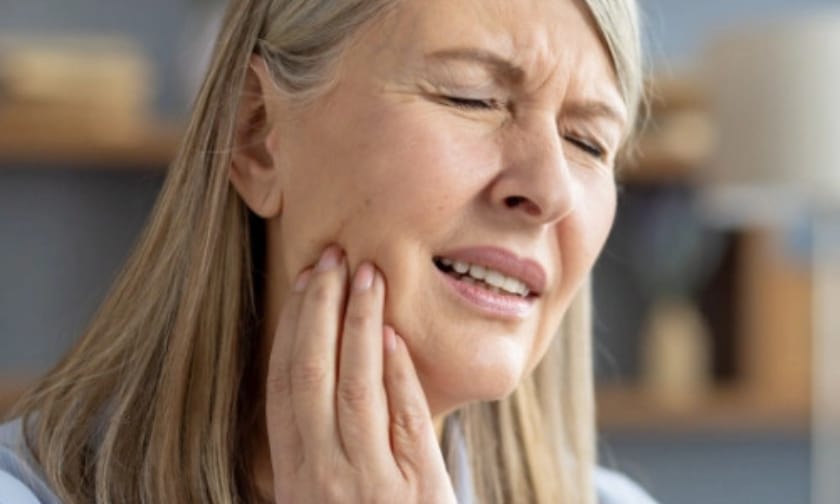
A sharp, shooting pain when you sip a cold drink or bite into something sweet can steal the joy of the moment. Tooth sensitivity can take you by surprise, but it’s more common than most people realize. Statistics show that one out of every eight Americans deals with tooth sensitivity, yet a surprisingly small number of patients bring it up at their dental visits.
Dr. Gomez hears about this all the time. Patients walk in wondering why their teeth suddenly started hurting, and the honest answer is — there’s rarely just one reason. Let’s walk through what’s going on inside your mouth and why finding the source matters more than just reaching for a toothpaste for sensitivity.
What’s Happening When Your Teeth Hurt
Your teeth have layers. The outermost layer, enamel, acts as a shield. Beneath it sits dentin, soft tissue packed with tiny channels called dentinal tubules that lead directly to your tooth’s nerve. When those tubules become exposed, stimuli travel directly to the nerve in the pulp, producing the sharp, sudden pain you feel in response to cold, heat, sweetness, or acidic foods.
So when you feel that jolt of pain, what you’re experiencing is your nerve being stimulated through exposed dentin. The real question is: why is it exposed?
If this sounds familiar and you’ve been putting off a dental visit, now’s the time to stop waiting. Search online for a ‘dentist near me’ who can diagnose what’s going on before the problem gets worse.
The Most Common Causes of Sudden Tooth Sensitivity
Enamel Erosion
This is probably the most widespread cause. Your enamel wears down slowly over time through acid exposure, aggressive brushing, or grinding your teeth at night. Acidic drinks, such as sodas, citrus juices, and sports drinks, are common culprits behind tooth damage. Demineralization of tooth structure can begin in seconds, while remineralization through saliva takes hours. That imbalance adds up fast, especially if acidic foods and drinks are a daily habit.
Once enamel erodes, it doesn’t grow back. That’s why catching it early with a family dentist in Nederland, TX, matters more than most people expect.
Gum Recession
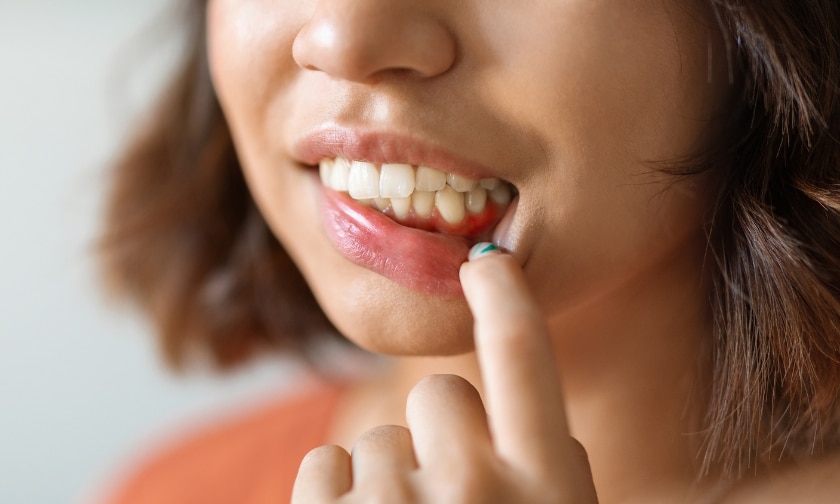
When gum tissue pulls away from the teeth, it exposes the root surface — an area that was never meant to be in direct contact with food, air, or liquids. Gingival recession is a well-established contributing factor to tooth sensitivity, and it can happen gradually enough that you barely notice it until the sensitivity starts.
Tooth Decay and Cavities
Decay that affects various parts of your tooth may come into contact with the center where the nerves lie, causing pain and sensitivity. Cavities don’t always come with obvious warning signs. Sometimes sensitivity is the first signal that decay has set in. If you’re feeling tooth pain in one spot rather than across multiple teeth, decay is worth ruling out right away.
This is important for parents searching for a ‘dentist for kids near me’. Children’s enamel is thinner than adult enamel, making them more vulnerable to decay-related sensitivity.
Teeth Grinding (Bruxism)
A lot of people grind their teeth at night without realizing it. Over time, grinding wears down enamel from the biting surface, leaving dentin exposed. If your sensitivity tends to be worse in the mornings or affects your front teeth and molars equally, bruxism could be the reason.
A custom night guard can protect your teeth while you sleep and stop further damage in its tracks.
Recent Dental Work
It’s completely normal to experience some sensitivity after a filling, crown, or professional cleaning. Your nerves need time to settle. This type of sensitivity is temporary and reversible, but if it lingers past a few weeks, you should mention it to your dentist at your next visit.
Teeth Whitening Products
Over-the-counter whitening kits and strips are a common but overlooked cause of sudden sensitivity. Whitening agents slightly demineralize the enamel during bleaching, and if dentin is exposed, the risk of sensitivity increases — though the effect is usually temporary. If you’re whitening your teeth at home and they’re hurting, take a break and talk to a dental professional before continuing.
Cracked Teeth
A hairline crack in a tooth can expose the inner layers to temperature and pressure in unexpected ways. Sensitivity from a cracked tooth often feels sharp and inconsistent — triggered by biting down in a specific spot or by cold. Don’t ignore this one. Cracks can worsen over time and may eventually require extensive treatment.
When Sensitivity Becomes an Emergency
Most incidents of tooth sensitivity are manageable and can be addressed at a routine dental care appointment. But some situations need same-day attention. If you’re experiencing:
- Severe, throbbing pain that doesn’t let up
- Sensitivity paired with visible swelling or a visible crack
- Pain that spreads to your jaw or ear
- Sensitivity following a dental injury
An emergency dentist in Nederland, TX, can quickly assess the situation and provide same-day emergency care to prevent it from getting worse. Gentle family care doesn’t mean waiting until a problem becomes unbearable — it requires acting on it early.
What You Can Do Right Now
A few simple changes go a long way:
- Switch to a soft-bristled toothbrush and ease up on the pressure when you brush
- Cut back on acidic drinks and rinse your mouth with water after consuming them
- Use a sensitivity toothpaste with fluoride and potassium nitrate — both help calm nerve response over time
- Don’t skip your checkups — catching gum recession or early decay early saves your teeth and your time
If you’ve been putting off a visit, Nederland Family Dental accepts most major plans, so cost shouldn’t be the reason you delay care.
Book a Visit Today
Sensitivity is your teeth’s way of asking for help. The sooner you find out what’s causing it, the easier it is to treat. Whether it’s a routine concern or something that needs same-day attention, Dr. Gomez and the team are here to help. Call Nederland Family Dental to schedule your appointment.
People Also Ask
Can weather or cold air cause tooth sensitivity?
Yes. Cold air hitting exposed dentin can trigger a sharp pain response. This is common in people with mild gum recession, even when there’s no visible root exposure. It tends to get worse in cooler months.
Is tooth sensitivity in children different from adults?
Children’s enamel is thinner and still developing, which can make their teeth more reactive to temperature and sugar. Sensitivity in kids should always be evaluated – it’s not something to chalk up to normal growing pains. A dentist who specializes in gentle family care will know how to assess it without causing anxiety.
Does sensitive toothpaste work?
It depends on the cause. Sensitivity toothpaste with potassium nitrate or stannous fluoride can block the dentinal tubules over time, reducing the pain signal. But it’s a management tool, not a cure. If the underlying cause, like gum recession or decay, isn’t addressed, the toothpaste only masks the symptom.
Can sensitivity come back after treatment?
It can, especially if the root cause isn’t fully resolved or lifestyle factors (like acidic diet or grinding) continue. That’s why follow-up care and preventive habits are so important. A single treatment appointment is rarely the whole story.
How long does post-whitening sensitivity last?
For most people, sensitivity from whitening products subsides within 24 to 72 hours after stopping use. If it persists beyond a few days or is unusually intense, it’s worth having a dentist check for pre-existing enamel erosion or gum recession that the whitening may have aggravated.