

Types of Drugs Used for IV Sedation in Dental Procedures
IV sedation plays a crucial role in modern dentistry, offering patients a comfortable and anxiety-free experience during various procedures. Understanding the types of drugs used in IV sedation is essential for both dental professionals and patients alike.
This comprehensive guide explores the diverse range of medications employed to achieve optimal sedation outcomes in dental settings.
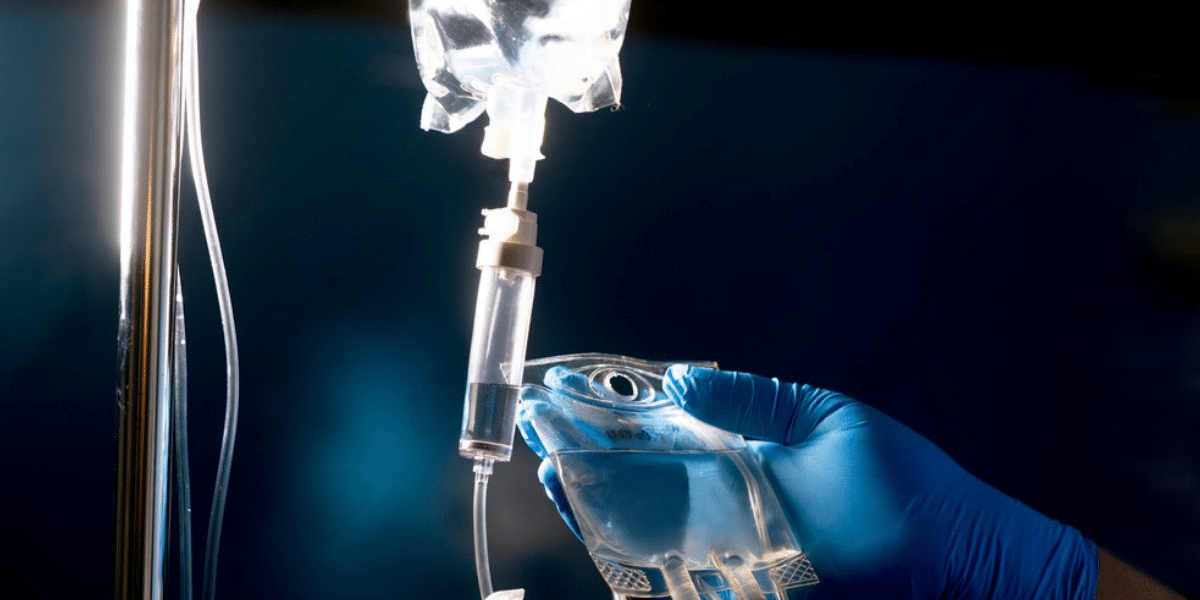
IV sedation involves the administration of sedative drugs directly into the bloodstream, ensuring rapid onset and precise control over the patient’s level of consciousness. By utilizing active voice and clear explanations, we delve into the distinct categories of drugs utilized, including benzodiazepines, barbiturates, propofol, and ketamine.
Each drug type is examined for its specific advantages and considerations within dental procedures, empowering readers with valuable insights into their dental care options.
This guide aims to demystify the complexities of IV sedation drugs, equipping patients and practitioners with knowledge to make informed decisions and enhance the quality of dental care delivery.
Benzodiazepines
Benzodiazepines are a class of psychoactive drugs known for their sedative, hypnotic, and anxiolytic properties. In IV sedation for dental procedures, benzodiazepines are widely utilized to induce relaxation and reduce anxiety levels in patients. Here’s a closer look at their role and the common types used:
Commonly Used Benzodiazepines in Dental Settings:
- Diazepam (Valium): Known for its anxiolytic and muscle-relaxant properties, Diazepam is frequently used in dental procedures to alleviate anxiety and induce sedation.
- Midazolam (Versed): Midazolam is preferred for its rapid onset and short duration of action, making it suitable for shorter dental treatments while ensuring quick recovery post-procedure.
- Lorazepam (Ativan): Lorazepam is another benzodiazepine used in IV sedation to manage anxiety effectively during dental procedures, providing sustained sedative effects.
How Do Benzodiazepines Work?
Benzodiazepines work by enhancing the effects of gamma-aminobutyric acid (GABA), a neurotransmitter that inhibits the activity of neurons, resulting in sedative and calming effects. They are administered intravenously to achieve rapid onset of sedation, making them ideal for dental settings where quick sedation is required.
Barbiturates
Barbiturates are a class of drugs that act as central nervous system depressants, producing a wide range of effects from mild sedation to deep anesthesia. Although less commonly used than benzodiazepines in modern dental sedation, they still have specific applications:
Barbiturates and Their Use in IV Sedation
Barbiturates work by enhancing the effects of GABA, similar to benzodiazepines but with a different mechanism of action. They are potent sedatives and can induce deep sedation or anesthesia depending on the dosage and specific barbiturate used.
Comparison with Benzodiazepines in Dental Procedures:
- Sedative Effects: Barbiturates generally have more profound sedative effects compared to benzodiazepines, making them suitable for longer and more complex dental procedures requiring deeper levels of sedation.
- Risk Profile: Barbiturates carry a higher risk of respiratory depression and other side effects compared to benzodiazepines, which has led to their reduced use in favor of safer alternatives like propofol and ketamine in modern dentistry.
Propofol
Propofol is a widely used intravenous sedative agent known for its rapid onset and short duration of action, making it highly suitable for dental procedures where precise sedation control is crucial.
Propofol as an IV Sedative Agent
Propofol, also known by its generic name, is a short-acting sedative-hypnotic agent that acts quickly to induce sedation and anesthesia. It works by enhancing the effects of GABA, the major inhibitory neurotransmitter in the brain, leading to rapid onset sedation and a quick recovery period after the procedure.
Benefits and Considerations for Using Propofol in Dentistry:
- Rapid Onset and Recovery: Propofol induces sedation within seconds of administration and allows patients to recover quickly post-procedure, minimizing recovery time compared to other sedative agents.
- Smooth Sedation Experience: Its smooth induction and recovery profile make it suitable for both short and prolonged dental treatments, ensuring patient comfort throughout the procedure.
- Controlled Sedation Levels: Dentists can easily titrate the dose of propofol to achieve the desired level of sedation, from mild sedation to deep anesthesia, depending on the procedure and patient’s needs.
Ketamine
Ketamine is an anesthetic agent with dissociative properties that has found unique applications in IV sedation for dental procedures, particularly in patients who may not respond well to traditional sedatives.
Ketamine’s Role as an Anesthetic in IV Sedation
Ketamine works by antagonizing the N-methyl-D-aspartate (NMDA) receptor in the brain, resulting in dissociative anesthesia characterized by profound analgesia, amnesia, and sedation. It induces a trance-like state while maintaining protective reflexes such as breathing and airway control, making it suitable for use in dental settings.
Unique Properties and Applications in Dental Procedures:
- Analgesic Effects: Ketamine provides potent analgesia, making it ideal for patients undergoing painful dental procedures or those with a low pain threshold.
- Minimal Respiratory Depression: Unlike other sedative agents, ketamine causes minimal respiratory depression, making it safer for use in patients with compromised respiratory function or obstructive sleep apnea.
- Emerging Use in Pediatric Dentistry: Ketamine’s unique profile has led to its increasing use in pediatric dentistry, where achieving adequate sedation without compromising safety is paramount.
Combination Therapies
Combining different drugs in IV sedation can enhance sedative effects and tailor the anesthesia to meet specific patient needs, especially in complex dental procedures.
- Enhanced Sedative Effects: Combining drugs allows for synergistic effects, often reducing the dose of each drug while achieving deeper sedation levels.
- Improved Safety Profile: Certain drug combinations can mitigate side effects associated with higher doses of a single drug, such as respiratory depression or prolonged recovery times.
- Customized Sedation Levels: Dentists can customize sedation levels more precisely by adjusting the ratio of each drug in the combination, ensuring optimal patient comfort and procedural efficiency.
Understanding the types of drugs used in IV sedation provides valuable insights into dental procedures’ safety and efficacy. From benzodiazepines to propofol and ketamine, each offers unique benefits tailored to patient needs, ensuring comfortable and stress-free experiences in the dental chair.
Related Articles