

What Is the Recovery Like After All-on-X Implant Treatment?
Recovery is often the biggest concern before starting any implant procedure. Patients usually wonder how much discomfort to expect, how long healing takes, and when daily life can return to normal. That uncertainty can delay a much-needed decision.
Full-arch implant solutions have changed how missing teeth are restored. With All-on-X dental implants, a full set of teeth is supported by a small number of implants, offering stability and function without multiple surgeries. However, recovery does not happen all at once. It moves in stages, each with its own changes and milestones.
If you live around Nederland or nearby communities along the Gulf Coast, understanding this process can make planning easier. This guide breaks down what recovery really looks like, from the first few days to long-term healing, along with practical tips to help you move through each phase comfortably and confidently.
What Is All-on-X Implant Treatment?
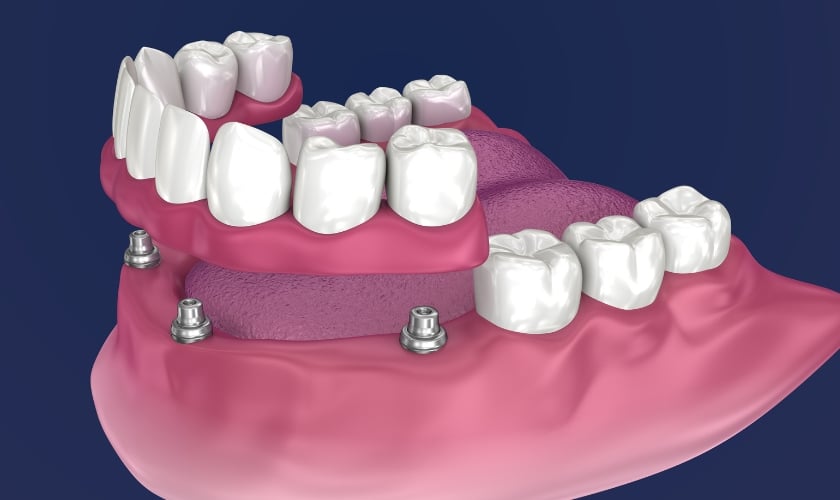
This treatment replaces a full arch of missing teeth using a small number of strategically placed implants. Instead of placing an implant for every tooth, four to six implants support an entire set of fixed teeth. That design reduces the need for multiple surgeries and allows for a more efficient restoration process.
Unlike traditional implants, which often require months between each stage, this approach may allow temporary teeth to be placed soon after surgery. That means patients can leave the office with a functional smile the same day in many cases. The implants act as anchors, while the prosthetic teeth are designed to look and function naturally.
Another key difference lies in how the All-on-X dental implants in Nederland are positioned. They are angled to maximize contact with existing bone, which can reduce the need for bone grafting. This makes the procedure accessible to more patients while also shortening the overall treatment timeline.
Recovery is unique because it combines surgical healing with functional adjustment. Patients are not only healing from implant placement but also adapting to a new bite and appearance. That is why understanding each recovery phase is important for long-term success.
What to Expect Right After Surgery (First 24–72 Hours)
The first few days after surgery focus on rest and managing initial symptoms. Swelling and mild bleeding are common and usually peak within the first 48 hours. Applying cold compresses and keeping your head elevated can help reduce swelling.
Some patients feel groggy due to sedation or anesthesia. This typically fades within a day. It is important to avoid driving or making major decisions during this time. Discomfort is expected, but it is usually manageable with prescribed or over-the-counter medications.
If temporary teeth are placed, they may feel slightly bulky at first. This is normal and part of the adjustment process. Your bite may not feel perfect yet, but it will improve as healing progresses.
Diet plays a key role during this stage. Stick to liquids and very soft foods such as soups, yogurt, and smoothies. Avoid anything hot, spicy, or crunchy. Staying hydrated is just as important, especially in warmer Southeast Texas weather.
Limit physical activity and give your body time to heal. Even simple tasks can feel tiring. Rest is not optional during this phase. It is essential for a smoother recovery ahead.
The First Week of Recovery
By the end of the first week, swelling and bruising usually begin to decrease. Most patients notice a clear improvement in comfort, although mild soreness can still be present. This is part of normal healing as the gums start to recover around the implants.
If stitches were placed, they may begin to dissolve or will be removed during a follow-up visit. This appointment is important because it allows your dental team to monitor healing and make any needed adjustments.
Oral hygiene becomes more important during this stage. Gentle rinsing with a prescribed solution or saltwater helps keep the area clean. Brushing should be done carefully, avoiding direct pressure on the surgical sites.
Your diet can expand slightly to include soft foods like scrambled eggs, mashed potatoes, and soft fish. However, chewing should remain limited to avoid unnecessary pressure on the implants.
Patients in the Netherlands often return to light daily activities within a few days. Still, it is important to listen to your body and avoid pushing too quickly. Healing continues beneath the surface even when you start feeling better.
Weeks 2–6: Healing and Adjustment Phase
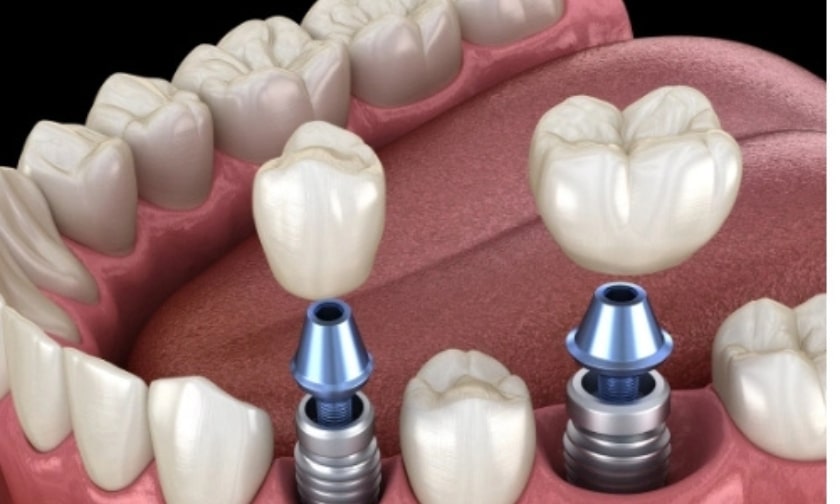
This phase is where deeper healing begins. The process called osseointegration starts, where the implants bond with the jawbone. This connection is what provides long-term stability.
Discomfort continues to decrease, and many patients feel more confident using their temporary teeth. Speech may improve as the tongue adjusts to the new shape of the teeth. Eating also becomes easier, although hard or sticky foods should still be avoided.
Daily routines begin to feel normal again. Most patients return fully to work and social activities during this time. However, it is still important to follow dietary guidelines and maintain careful oral hygiene.
Regular check-ins help ensure that healing is progressing as expected. These visits allow small adjustments that can improve comfort and function.
Adapting to a new bite takes time. Small changes in how teeth come together are normal and will be refined as healing continues.
Long-Term Healing and Final Results
Full healing typically takes three to six months. During this time, the implants fully integrate with the bone, creating a stable foundation. Once healing is complete, the final prosthetic teeth are placed.
These permanent teeth are designed for durability, comfort, and a natural look. They are customized to match facial structure and improve overall function. Patients often notice a significant improvement in chewing ability and confidence.
Long-term success depends on maintaining good oral hygiene and attending regular dental visits. With proper care, implant-supported teeth can last for many years.
Patients along the Gulf Coast often appreciate how this treatment restores both function and appearance. It allows them to enjoy meals, conversations, and daily life without constant concern about their teeth.
Common Side Effects During Recovery
Swelling and bruising are the most common side effects. These usually improve within the first week. Minor bleeding may occur initially but should decrease quickly.
Some patients experience temporary difficulty speaking or chewing. This is due to swelling and adjustment to the new teeth. It improves with time and practice.
Mild discomfort is expected but should gradually lessen. Pain that increases instead of improving may need attention.
Normal symptoms include slight soreness and tightness in the jaw. However, signs such as severe swelling, persistent bleeding, or unusual discharge may indicate a problem. Recognizing the difference helps ensure timely care.
Tips to Support Faster Healing
Following instructions from your dental team is the most important step. These guidelines are designed to protect the implants and support healing.
Oral hygiene should be gentle but consistent. Keeping the area clean reduces the risk of complications.
Avoid smoking and alcohol during recovery. Both can interfere with healing and increase the risk of implant failure.
Stick to the recommended diet. Soft foods reduce stress on the implants and allow proper integration.
Do not skip follow-up visits. These appointments help identify issues early and keep recovery on track. Consistency in care leads to better long-term outcomes.
What Can Delay Recovery?
Poor oral hygiene is one of the main factors that can slow healing. Bacterial buildup can lead to infection and affect implant stability.
Smoking significantly impacts blood flow, which is essential for healing. It increases the risk of complications.
Chronic conditions like diabetes can also affect recovery, especially if not well-controlled. Managing overall health supports better outcomes.
Ignoring post-operative instructions can place unnecessary stress on the implants. Even small actions, like eating hard foods too soon, can interfere with healing.
Excessive pressure from chewing or grinding can disrupt the integration process. Protecting the implants during early healing is critical.
When to Call Your Dentist
Some symptoms require prompt attention. Severe pain that does not improve with medication should not be ignored.
Persistent bleeding beyond the first few days may need evaluation.
Signs of infection, such as fever, pus, or increasing swelling, should be addressed immediately.
If the implant or temporary teeth feel loose, it is important to seek care right away. Early intervention can prevent more serious complications.
How Comfortable Is All-on-X Recovery Compared to Other Options?
Compared to traditional implants, recovery is often more streamlined for All-on-X dental implants in Nederland. Fewer implants mean fewer surgical sites, which can lead to less discomfort.
Many patients appreciate the ability to leave with functional teeth soon after surgery. This reduces the emotional and practical challenges of being without teeth.
The procedure is designed to be efficient, which can make the overall experience more manageable. While recovery still requires care and patience, it is often less complex than multiple individual implant placements.
This balance between efficiency and effectiveness makes it a practical option for many patients seeking full-arch restoration.
Recovery after implant treatment is a process, not a single moment. Each phase builds toward a stable and lasting result. While some discomfort is expected, most patients find the experience manageable with the right guidance.
Understanding what to expect helps reduce stress and allows you to prepare for each stage. With proper care, healing progresses steadily, leading to improved comfort and function.
At Nederland Family Dental, patients receive clear guidance and ongoing support throughout the recovery journey. If you are considering full-arch restoration or want to understand your options, scheduling a consultation is the first step toward a confident, lasting smile.
What People Want to Know
How long does recovery take after full-arch implant treatment?
Initial healing usually takes one to two weeks, while deeper integration continues for several months. Most patients return to normal routines quickly, but full stability develops gradually over time.
When can normal eating resume after implant placement?
Soft foods are recommended for the first few weeks to protect healing sites. Gradual reintroduction of firmer foods happens as comfort improves and healing progresses.
How long does swelling last after implant surgery?
Swelling often peaks within 48 hours and starts reducing after a few days. Most visible swelling resolves within one week, though minor tenderness may linger longer.
Can daily activities resume after the procedure?
Light activities can usually resume within a couple of days. However, strenuous exercise should be avoided for at least a week to support proper healing.
What foods should be avoided during recovery?
Hard, crunchy, and sticky foods should be avoided early on. These can place pressure on implants and interfere with proper healing.