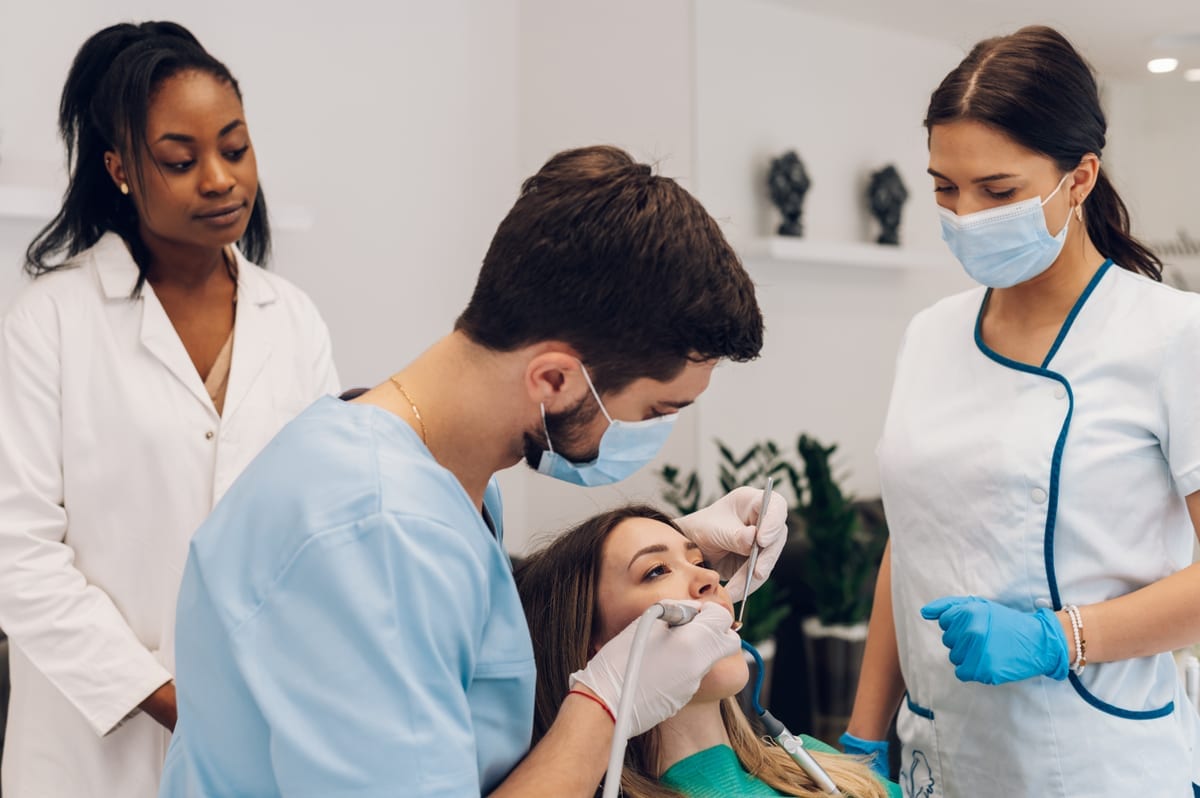


Why Your Teeth Feel Sensitive During Cleaning—And How We Stop It

If your teeth feel sensitive during cleaning, you are not alone. Many patients in Central Gardens, TX experience this exact concern. Understanding why sensitivity happens — and how we stop it — makes a real difference for anxious patients. At Nederland Family Dental, Dr. Whitney Gomez and our hygiene team prioritize your comfort at every visit.
Tooth sensitivity during a professional cleaning is one of the most common reasons patients delay their appointments. But avoiding cleanings can actually make sensitivity worse over time. This article walks you through the causes and the practical steps our team takes to keep you comfortable.
Why Your Teeth Feel Sensitive During Cleaning in Central Gardens
Sensitivity during a cleaning usually comes from one of several root causes. The most common is exposed dentin — the layer beneath your tooth enamel. When gum tissue recedes or enamel wears thin, dentin becomes vulnerable to touch, temperature, and pressure.
Tartar buildup also plays a significant role. When hardened deposits sit near the gum line, the area underneath becomes inflamed. Removing that tartar — even gently — can trigger a brief, sharp sensation. This is completely normal and expected.
Gum disease is another major contributor. Inflamed, irritated gum tissue is far more sensitive than healthy tissue. Patients with early or advanced gum disease often notice the most discomfort during cleanings. The good news is that treating the gum disease itself reduces future sensitivity.
- Exposed dentin beneath worn enamel
- Inflamed gum tissue from plaque or tartar buildup
- Untreated gum disease causing gum recession
- Cracked teeth or failing restorations
- Naturally thinner enamel in some patients
What Our Hygienist Does to Minimize Your Discomfort
Our hygiene team at Nederland Family Dental uses several evidence-based techniques to reduce sensitivity during your appointment. The goal is always to clean thoroughly without causing unnecessary pain. Comfort and thoroughness are not mutually exclusive — our team achieves both every day.
We start by reviewing your dental history before we touch your teeth. If you have experienced sensitivity before, we note it and plan accordingly. This simple step lets us adapt our approach before discomfort ever begins.
For patients with noticeable sensitivity, we may apply a topical desensitizing agent to the gum line. This numbs the surface tissue gently and reduces nerve response during scaling. It takes just a few minutes and makes a significant difference.
- Reviewing your sensitivity history before the appointment begins
- Using ultrasonic scalers with adjustable pressure settings
- Applying topical desensitizing gel to sensitive areas
- Taking short breaks when needed during scaling
- Using warm water rinses to soothe irritated tissue
- Recommending sensitivity toothpaste before future visits
How Gum Disease Treatment Reduces Long-Term Sensitivity
One of the best ways to reduce cleaning sensitivity is to address the underlying cause. For many Central Gardens patients, that underlying cause is gum disease. Inflamed, infected gum tissue bleeds easily and reacts strongly to any instrument contact.
Dr. Whitney Gomez offers comprehensive gum disease treatment to restore gum health between visits. Healthier gums mean less sensitivity at your next cleaning. Patients often report a dramatic improvement in comfort after completing a full course of periodontal treatment.
In some cases, a deep cleaning — also called scaling and root planing — is recommended before routine cleanings resume. This approach removes tartar from below the gum line. Once the inflammation resolves, standard cleanings become far more comfortable.
If you have been avoiding the dentist because of fear or discomfort, we completely understand. Our team works with anxious patients every day. We never rush, and we always communicate clearly about what we are doing and why.
Tips to Reduce Sensitivity Before and After Your Cleaning
There are steps you can take at home to reduce sensitivity before your appointment. Starting these habits a few weeks in advance can noticeably reduce your discomfort in the chair. Small, consistent actions at home support the work our hygienist does in office.
Using a desensitizing toothpaste daily is one of the most effective strategies. Brands containing potassium nitrate or stannous fluoride help block the nerve signals that cause sensitivity. Ask Dr. Gomez which formula she recommends for your specific situation.
After your cleaning, avoid extremely hot or cold foods and drinks for a few hours. Your gums may be mildly inflamed right after scaling. Giving them time to settle reduces post-cleaning discomfort significantly.
If you ever experience a dental emergency related to severe tooth pain or a cracked sensitive tooth, our team is ready to help. We offer Emergency Dentistry Central Gardens services so you are never left without care when you need it most. We also offer Cosmetic Dentistry Central Gardens options for patients who want to restore both function and appearance after addressing sensitivity issues.
When to Talk to Dr. Gomez About Your Sensitivity
Not all sensitivity is the same. Some patients experience a brief, sharp twinge that passes quickly. Others feel lingering discomfort that lasts minutes after the stimulus is removed. These two patterns point to very different underlying causes.
Lingering sensitivity — especially to heat — may indicate a deeper issue like pulp inflammation or infection. In these cases, a root canal evaluation may be appropriate. Dr. Gomez will examine your teeth thoroughly and discuss your options with you honestly.
Sensitivity that appears suddenly between cleanings also warrants a prompt visit. Do not wait until your next scheduled appointment if something feels off. Early intervention almost always leads to simpler, less costly treatment.
Our entire team at Nederland Family Dental is here to make your dental experience comfortable and stress-free. We serve patients across Central Gardens and the surrounding Nederland, TX area. Book Now to schedule your appointment with our team.
Frequently Asked Questions
Is tooth sensitivity during a cleaning normal?
Yes, mild sensitivity during a professional cleaning is very common. It often results from tartar removal near the gum line or from exposed dentin. If your sensitivity is severe, let your hygienist know immediately so they can adjust their technique.
Can I ask my hygienist to stop if the cleaning becomes too painful?
Absolutely. Our hygienists at Nederland Family Dental always encourage patients to speak up during their appointments. We can pause, apply a desensitizing agent, or adjust our approach at any point. Your comfort is our priority.
Will my teeth always be this sensitive during cleanings?
Not necessarily. Many patients see a significant reduction in sensitivity after consistent cleanings and proper gum disease treatment. As your gum health improves, the discomfort during future appointments typically decreases as well.
How can I prepare for my cleaning if I have sensitive teeth?
Start using a desensitizing toothpaste at least two to three weeks before your appointment. Let our team know about your sensitivity when you check in. We can plan ahead to make your visit as comfortable as possible.
What if my sensitivity persists after the cleaning?
Some mild sensitivity for a day or two after a cleaning is normal. If it lasts longer than 48 hours or worsens, contact our office right away. Dr. Gomez will evaluate the area and determine whether further treatment is needed.