

My Tooth Hurts at Night — What’s Causing It and Should I Call Right Away?

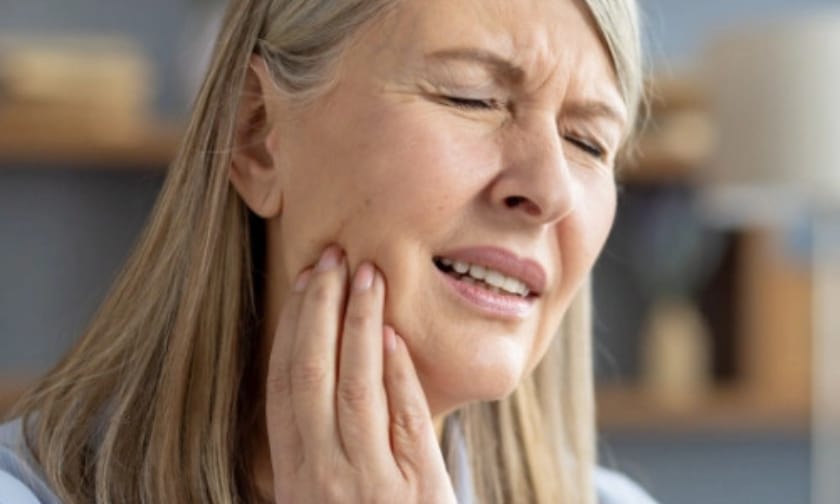
Nighttime tooth pain can turn a joyous day into a miserable one. During the day, you push through it. But the moment you lie down, it takes over — throbbing, aching, refusing to let you sleep. If this sounds like your last few nights, you’re in urgent need of dental care. The pain is very likely getting worse because of what happens to your body when you lie down.
Why Does Tooth Pain Get Worse at Night?
When you lie down, blood rushes toward your head, including your teeth and gums, increasing pressure on an inflamed tooth or nerve and making the pain feel more intense. During the day, you’re upright, distracted by work or daily tasks, and that pressure isn’t as concentrated. But lying flat at night changes all of that.
There’s also a psychological layer to it. At night, there are no distractions, no conversations, no screen to focus on. When you’re trying to sleep, there’s little to do except lie there, which makes pain feel more noticeable and hard to push aside.
Both factors combined explain why a dull ache you tolerated all day suddenly feels unbearable at midnight. If you’ve been waking up in pain, looking for a ‘reliable dentist near me’ online should be the first step to stop your oral health from worsening.
The Most Common Causes of Nighttime Tooth Pain
Deep Decay or an Untreated Cavity
Cavities often show no symptoms in their primary stage, but as decay progresses, it eventually reaches the dentin (the soft inner layer beneath your enamel). At that stage, temperature, pressure, and even changes in blood flow when you lie down can trigger pain that keeps you awake at night.
If the decay reaches the pulp (the innermost part of the tooth containing nerves and blood vessels), the pain becomes hard to manage and almost always needs prompt dental treatment.
A Dental Abscess
A dental abscess is a pocket of infection caused by untreated decay, a cracked tooth, or advanced gum disease. If pain is severe, constant, or accompanied by swelling or fever, you should seek emergency dental care right away.
Abscesses don’t heal on their own. The infection can spread to surrounding tissue and, in serious cases, beyond the jaw. An emergency dentist in Nederland, TX, can assess the severity, drain the abscess if needed, and prescribe the right treatment to stop the spread.
Teeth Grinding (Bruxism)
An estimated 10 to 15 percent of Americans grind their teeth while sleeping, most without ever realizing it. Bruxism or teeth grinding puts enormous pressure on the teeth and jaw muscles throughout the night.
Severe bruxism can lead to damaged teeth, jaw pain or tiredness, and headaches — symptoms that often seem unusual until a dentist spots the wear patterns during a routine exam. A custom night guard protects the teeth from grinding pressure and is one of the most effective, low-effort solutions available for this problem.
Gum Disease
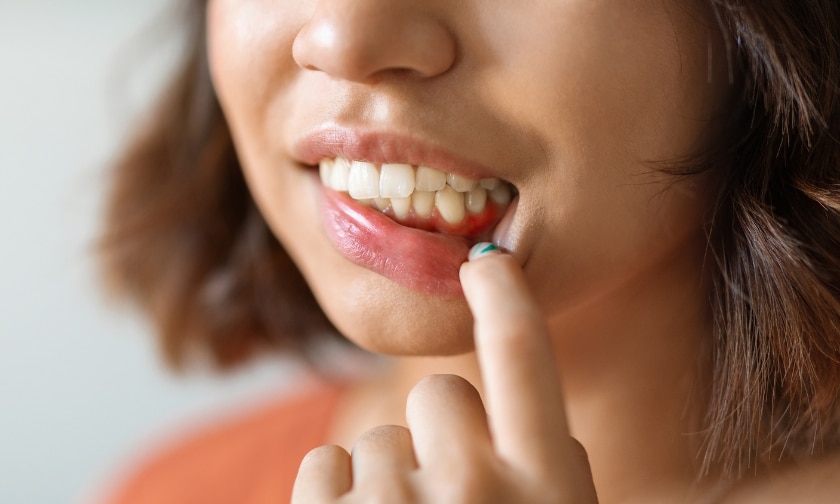
Inflamed gum tissue in more advanced stages of gum disease can cause persistent soreness that feels worse at night. If you’ve been noticing bleeding gums, bad breath that doesn’t go away, or gum tenderness that seems worse after you wake up, gum disease may be contributing. What starts as gingivitis can quietly progress to periodontitis if left untreated, eventually damaging the bone and tissue supporting your teeth.
A family dentist in Nederland, TX, can measure your gum pockets and determine how far the issue has progressed, which helps identify the type of treatment needed.
A Cracked or Fractured Tooth
Cracks in teeth are hard to detect because they don’t always show up on X-rays. But they can cause unbearable pain when you bite down at a certain angle or when temperature changes hit the exposed inner layers. Chronic grinding and jaw clenching can cause cracks or chips, especially in crowns, fillings, or veneers, so patients with bruxism are at heightened risk.
A cracked tooth won’t heal on its own. Depending on where the crack is and how deep it runs, treatment may range from a crown to more diverse restorative work.
What to Do Right Now if the Pain Is Severe
Some situations don’t wait for the next available appointment. Call for same-day emergencies if you’re experiencing:
- Swelling in your jaw, cheek, or gum — especially if it appeared quickly
- Fever alongside dental pain — a strong sign of spreading infection
- Severe, constant throbbing that doesn’t ease with over-the-counter pain relief
- A tooth that feels loose or has visibly shifted
- Difficulty swallowing or opening your mouth fully
A same-day dentist in Nederland can get you in quickly for an evaluation before a manageable problem turns into an urgent one. Dental infections, in particular, can escalate faster than most people expect.
In the meantime, elevating your head while resting can help reduce the buildup of blood pressure that worsens pain. A cold compress applied to the outside of your jaw for 20 minutes at a time can also reduce inflammation. These are temporary measures, not solutions, but they can make the hours leading up to your appointment more bearable.
Why Gentle, Prompt Care Matters
A lot of people avoid calling a dentist at night or on weekends because they feel like they’re panicking. The reality is that dental pain severe enough to keep you awake at night is rarely something to wait out. Early treatment is almost always simpler and less expensive than treatment that’s been delayed.
Gentle family care means being seen without judgment and treated with calm, clear communication that takes the fear out of the treatment process. For parents searching for a ‘dentist for kids near me’, the same applies: children who experience prompt, gentle dental care early on build a much healthier relationship with dental visits going forward.
Don’t spend another night in pain. Call Nederland Family Dental to get seen without delay for urgent dental concerns.
People Also Ask
Can sinus problems cause nighttime tooth pain?
Yes – upper tooth pain that intensifies when you bend forward or lie down is sometimes sinus-related rather than dental. The roots of your upper back teeth sit very close to the sinus cavity, so pressure from sinus congestion or a sinus infection can feel exactly like a toothache. A dentist can help distinguish between the two, and if the cause is sinus-related, you’ll be referred accordingly.
Is it safe to take ibuprofen for tooth pain every night while waiting for an appointment?
Over-the-counter ibuprofen can reduce both pain and inflammation, making it a reasonable short-term option. However, taking it nightly for more than a few days without addressing the root cause isn’t advisable — it’s masking a signal your body is sending. If you need pain relief every night, that’s a sign the problem needs professional attention sooner rather than later.
Can nighttime tooth pain go away on its own?
Occasionally, pain from mild sensitivity or healing gum irritation may settle down on its own. But pain caused by infection, decay reaching the pulp, or a cracked tooth will not resolve without treatment — and will typically worsen over time. If pain is recurring or intensifying, it’s always worth getting it checked out.
Do children get the same types of nighttime toothaches as adults?
Children can experience nighttime tooth pain for many of the same reasons — cavities, a loose or cracked tooth, or eruption discomfort. Kids are also susceptible to bruxism, which parents often first notice because of the sound of grinding at night. A dentist for kids near me who practices gentle family care will know how to assess and explain what’s happening in a way that keeps kids calm during the visit.
What if I’ve already had a root canal on that tooth — can it still hurt?
Yes. A treated tooth can still cause pain if there’s reinfection, a missed canal, or a crack that has worsened over time. Pain in a previously treated tooth should always be evaluated — it doesn’t automatically mean the root canal failed, but it does mean something needs to be looked at. An emergency dentist in Nederland, TX, can assess whether retreatment is needed or whether something else is driving the discomfort.