

Dental Implants Candidacy in Port Neches, TX
If you’ve lost a tooth — or several — you’ve probably wondered whether dental implants are right for you. Many patients in Port Neches ask exactly this question before scheduling a consultation. Understanding what makes someone a good candidate for dental implants in Port Neches is the first step toward making a confident decision. At Nederland Family Dental, Dr. Whitney Gomez helps patients evaluate all the key factors honestly and thoroughly.
This article walks through the most important things your dentist needs to know before recommending implants. From bone density to overall health, several factors play a role. The good news is that more people qualify than you might expect.
What Makes Someone a Good Candidate for Dental Implants in Port Neches?
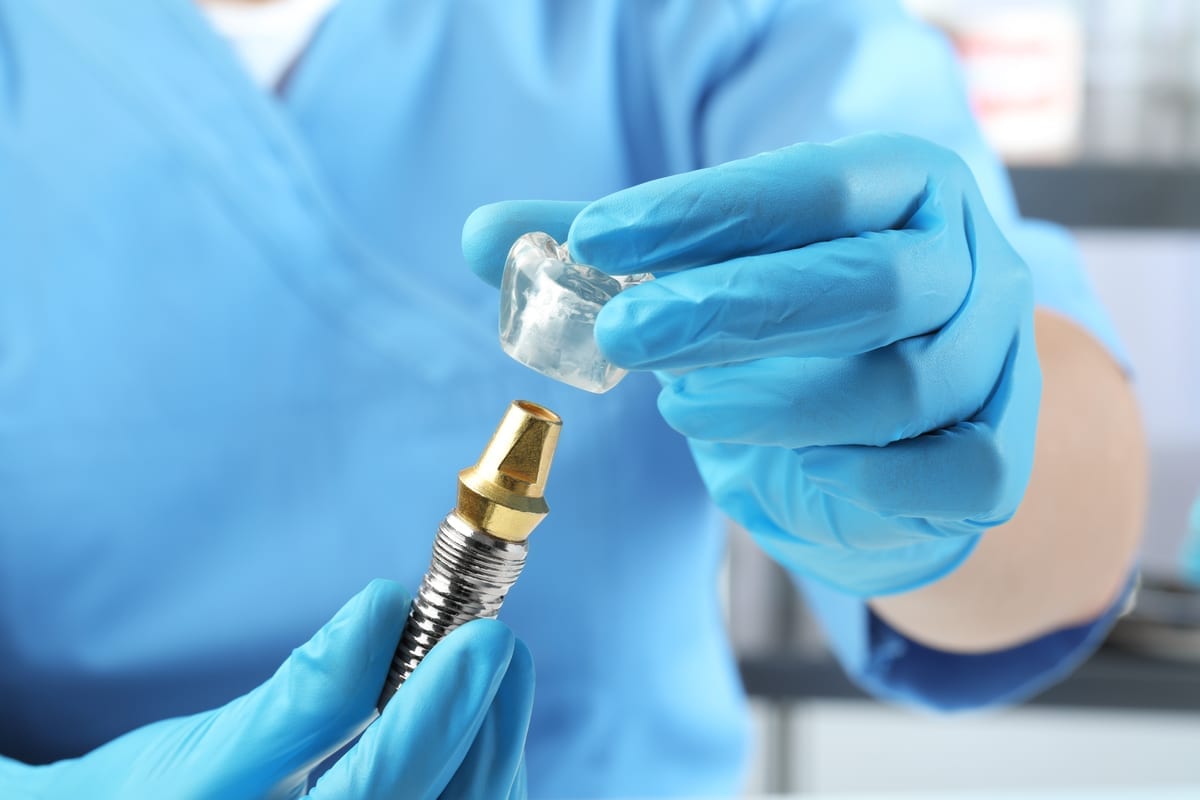
A dental implant is a titanium post placed directly into your jawbone. It fuses with the bone over time and supports a realistic-looking crown. Because it relies on the bone for stability, your jawbone health matters greatly.
Ideal candidates generally meet these criteria:
- Have one or more missing teeth they want to replace
- Have sufficient jawbone density to support the implant
- Have healthy gums free of active gum disease
- Are in reasonably good overall health
- Do not smoke, or are willing to quit before and after surgery
- Are committed to good oral hygiene after placement
Dr. Gomez reviews each patient’s X-rays and medical history before making any recommendation. Every case in Port Neches is evaluated individually — no two patients are exactly alike.
Does Age Affect Dental Implant Candidacy?
Age is one of the most common concerns patients bring up. Adults of nearly any age can receive dental implants. However, younger patients whose jaws are still developing are typically not candidates yet.
For older adults in Port Neches, age alone is rarely a disqualifying factor. What matters far more is bone density and overall health. Many patients in their 60s, 70s, and beyond successfully receive implants every year.
The key question is not how old you are. The key question is how healthy your jawbone and body are. Dr. Gomez will assess your specific situation to determine whether implants are a safe and effective option for you.
How Bone Density and Gum Health Impact Your Candidacy
Bone density is arguably the most critical physical factor. When a tooth is missing, the jawbone beneath it begins to shrink over time. This process is called bone resorption. If too much bone has been lost, a standard implant placement may not be possible without additional procedures.
Bone grafting can often rebuild lost bone before implant surgery. This adds time to the process but opens the door for many patients who might otherwise be ruled out. Dr. Gomez will explain whether grafting is necessary during your consultation.
Gum disease is another serious consideration. Active gum disease creates bacteria that can compromise implant success. Patients with gum disease must receive treatment before implant placement can proceed. Nederland Family Dental offers comprehensive gum disease treatment to help patients reach candidacy. Healthy gums create the stable foundation that every implant needs.
Some patients also ask about Gum Recontouring as part of their smile restoration journey. For patients in the Groves area, Gum Recontouring services are also available nearby. Addressing gum health and contour together supports the best long-term implant outcomes.
Health Conditions That May Affect Dental Implant Eligibility
Certain health conditions require extra attention during the candidacy evaluation. This does not always mean you cannot get implants. It means your dentist needs the full picture before moving forward safely.
Conditions your dentist will want to know about include:
- Diabetes: Uncontrolled diabetes can slow healing. Well-managed diabetes is often not a barrier.
- Osteoporosis: Affects bone density throughout the body, including the jaw. Medication history matters here.
- Autoimmune conditions: May affect how your body accepts the implant.
- Heart conditions: Some medications or procedures require coordination with your physician.
- Cancer treatment history: Radiation to the jaw area can impact bone health and healing.
Be open and honest with Dr. Gomez about your full medical history. This transparency protects you and improves your outcome. Nothing in your history should feel too minor to mention.
Does Smoking Disqualify You From Getting Dental Implants?
Smoking is one of the most significant risk factors for implant failure. Tobacco reduces blood flow and slows tissue healing. It also increases the risk of infection around the implant site. Research consistently shows that smokers have lower implant success rates than non-smokers.
However, smoking does not automatically disqualify you. Dr. Gomez will have an honest conversation about what quitting — or significantly reducing — smoking before and after surgery can do for your success rate. Many patients use implant candidacy as a powerful motivation to quit.
If you currently smoke and are considering implants, bring this up early in your consultation. Your dentist wants to help you succeed, not disqualify you without a plan.
What Happens During a Dental Implant Consultation at Nederland Family Dental?
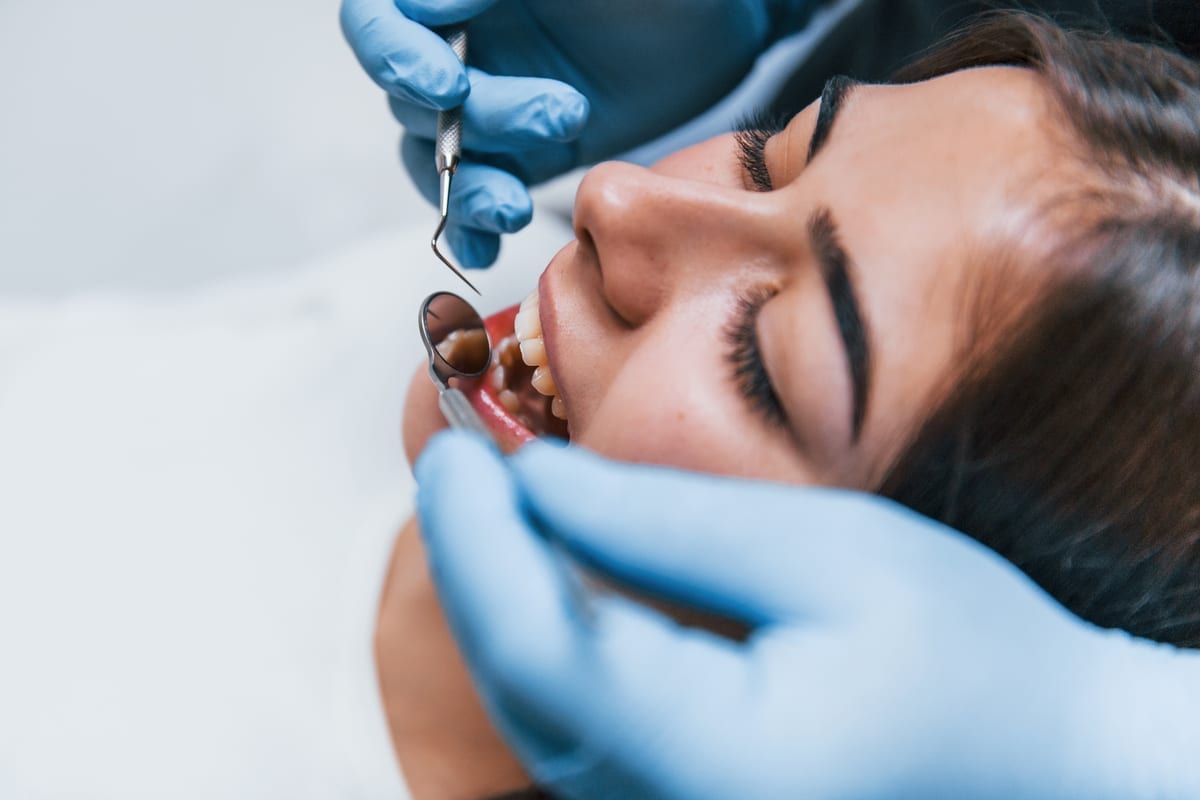
Your consultation is a low-pressure, information-gathering appointment. Dr. Gomez will review your dental X-rays and a full medical history. She will examine your gums and evaluate the bone structure in your jaw. This gives her everything needed to tell you honestly whether implants are a good fit right now.
If you are not quite a candidate today, Dr. Gomez will outline a clear path forward. That might include gum disease treatment, bone grafting, or other preparatory care. The goal is to get you to a point where implants can succeed long-term.
Patients from Port Neches and surrounding communities in the Southeast Texas area choose Nederland Family Dental for this kind of thorough, honest guidance. Dr. Gomez takes the time to answer every question without rushing.
Taking the Next Step Toward Dental Implants
If you have been wondering whether you qualify for dental implants, the only way to know for certain is to speak with a qualified dentist. Dental implants can restore your ability to eat, speak, and smile with full confidence. Many patients who feared they would not qualify are pleasantly surprised by what modern dentistry can offer.
Dr. Whitney Gomez at Nederland Family Dental is ready to evaluate your unique situation and help you understand all your options. You deserve a straight answer — and a plan that works for your life. Book Now to schedule your appointment with our team.
Frequently Asked Questions
Can I get dental implants if I have bone loss in my jaw?
Yes, in many cases. Bone grafting can rebuild lost jawbone before implant placement. Dr. Gomez will evaluate your bone levels during your consultation and explain whether grafting is needed for your specific situation.
How long does the dental implant process take from start to finish?
The full process typically takes several months. This includes the healing period after implant placement, called osseointegration. If bone grafting or other preparatory work is needed, the timeline may extend. Your dentist will give you a personalized estimate at your consultation.
Is age a barrier to getting dental implants?
Not for most adults. Older patients often make excellent candidates as long as their bone density and overall health are sufficient. Younger patients whose jaws are still growing are generally not candidates until development is complete.
What happens if I have gum disease — can I still get implants?
You will need to treat the gum disease first. Active gum disease creates conditions that can cause implants to fail. Once your gums are healthy and stable, implant candidacy can be reassessed. Nederland Family Dental offers gum disease treatment to help patients reach that point.
Does smoking completely rule out dental implants?
Not automatically, but it does raise your risk of complications significantly. Dr. Gomez will discuss your smoking history openly and honestly. Quitting or reducing tobacco use before and after surgery can meaningfully improve your chances of long-term implant success.