

Dental Implants in Nederland, TX
If you’ve been asking yourself am I a good candidate for dental implants, you’re not alone. Many patients in Central Gardens, TX have the same question. The honest answer is: it depends on several key factors. This article walks you through what really matters — no vague answers, no sugarcoating.
Dr. Whitney Gomez at Nederland Family Dental works with patients throughout the Central Gardens area. She believes in giving you the full picture. That means talking about bone density, age, health conditions, and yes — even smoking.
What Does ‘Good Candidate’ Really Mean for Dental Implants?
A good candidate for dental implants is someone whose body can support the implant long-term. That sounds simple, but several factors play into it. Dentists often focus on the positives without spelling out the challenges. We want to be upfront with you.
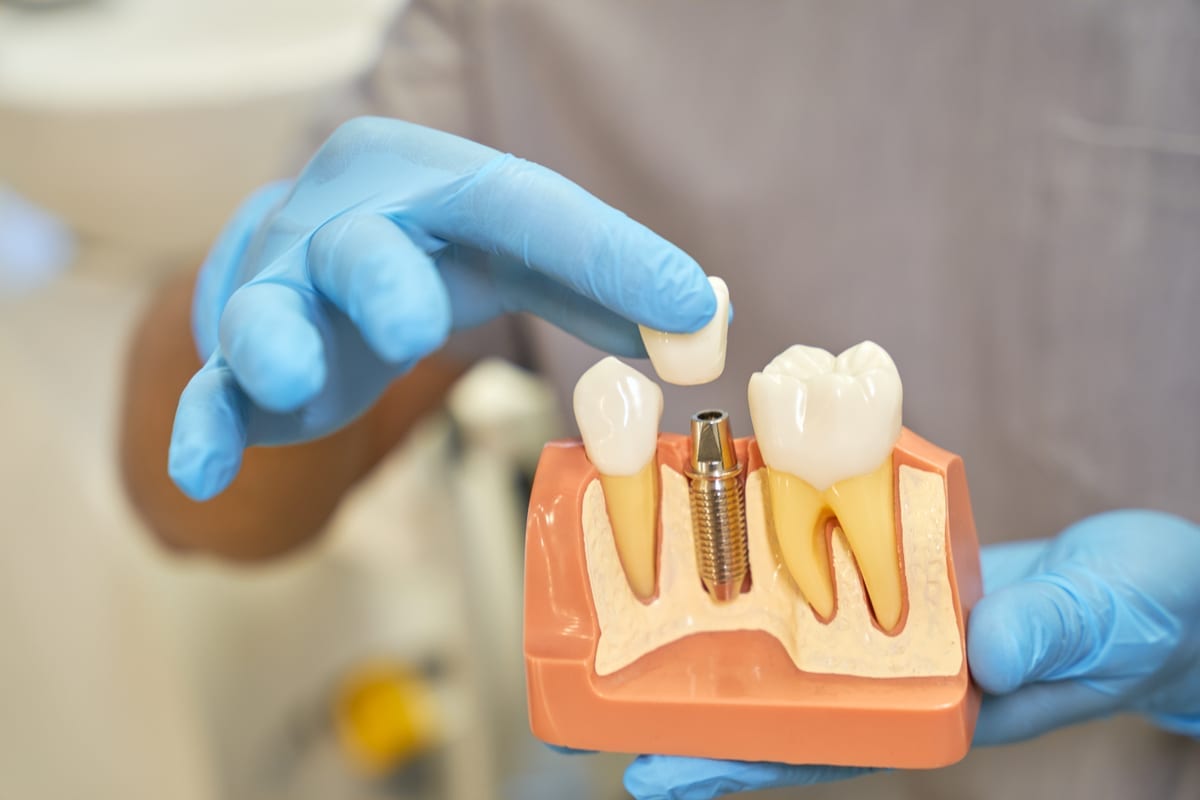
Dental implants are titanium posts placed into your jawbone. They replace missing tooth roots. For the implant to succeed, your jaw needs enough healthy bone to anchor it. Your gums also need to be in good shape.
Here are the core qualities that make someone a strong candidate:
- Adequate jawbone density and volume
- Healthy gum tissue with no active gum disease
- Good overall systemic health
- Non-smoker or willingness to quit during healing
- Commitment to regular dental care and follow-up visits
If you meet most of these, implants could work well for you. If you don’t meet all of them, that doesn’t automatically disqualify you. It just means more planning is needed.
Does Age Affect Whether You Qualify for Dental Implants in Central Gardens?
Age is one of the most common concerns patients bring up. The good news is that older adults often make excellent implant candidates. There is no upper age limit for dental implants. What matters more is your health, not your birthday.
However, younger patients face a different issue. Implants should not be placed until the jaw has fully developed. For most people, that happens around age 18. Placing implants too early can disrupt jaw growth.
For older adults in Central Gardens, the concern shifts to bone density. Bone naturally thins as we age. This can reduce the amount of available bone for implant placement. Bone grafting can often solve this problem when needed.
The bottom line on age: it’s rarely the deciding factor on its own. A thorough evaluation tells the real story.
How Bone Density and Gum Health Impact Your Candidacy
Bone density is one of the most critical factors in implant success. Without enough bone, the implant has nothing firm to fuse with. This process — called osseointegration — is what makes implants so durable. It simply cannot happen without sufficient bone structure.
Many patients lose bone after a tooth is extracted. The longer a tooth has been missing, the more bone may have been lost. That’s why acting sooner rather than later often leads to better outcomes. A dental cone beam CT scan can show exactly how much bone is present.
Gum disease is equally important to address. Active gum disease creates bacteria that attack the tissues around an implant. This can cause implant failure. If you have gum disease, it must be treated before implant placement. Gum Recontouring and periodontal therapy can restore gum health as part of your preparation. In some cases, Gum Recontouring procedures help create an optimal foundation for successful implant placement.
Here’s what healthy bone and gum tissue provides:
- A stable base for the titanium post
- Faster and more predictable healing
- Lower risk of infection or implant rejection
- Better long-term aesthetic results
- Improved chewing function after restoration
Health Conditions and Medications That Affect Implant Success
Certain health conditions can complicate the implant process. That doesn’t mean implants are impossible — it means extra care is needed. Dr. Gomez reviews your full medical history before making any recommendations. This protects you and improves your outcomes.
Uncontrolled diabetes is one condition that raises risk. High blood sugar slows healing and increases infection risk. However, patients with well-managed diabetes often do very well with implants. Control your diabetes first, and implants become much more achievable.
Other conditions worth discussing with your dentist include:
- Osteoporosis or bone loss conditions
- Autoimmune disorders affecting healing
- Blood clotting disorders
- A history of radiation therapy to the head or neck
- Long-term use of certain medications like bisphosphonates
These factors require careful evaluation, not automatic disqualification. Your dentist should have an honest conversation with you about each one. At Nederland Family Dental, we take time to understand your full health picture.
What Your Dentist Won’t Always Say About Smoking and Implants
Here’s the part many dental websites gloss over: smoking significantly increases the risk of implant failure. Nicotine restricts blood flow to gum tissue. That slows healing and weakens the bone-to-implant connection. Studies consistently show higher failure rates among smokers.
This doesn’t mean smokers can never get implants. But it does mean you need a frank conversation about the risks. Some dentists avoid this topic to keep the consultation moving forward. We believe you deserve the truth before making a major decision.
Patients who quit smoking at least two weeks before implant surgery — and stay smoke-free through healing — dramatically improve their success rates. If you currently smoke and are considering implants, this is worth a serious conversation with Dr. Gomez. She will help you understand your personal risk level.
Next Steps if You’re Considering Dental Implants Near Central Gardens
Wondering if dental implants are right for you doesn’t mean you have to figure it out alone. A consultation with Dr. Whitney Gomez gives you a personalized assessment. She uses digital imaging and reviews your medical history to give you a real answer. There’s no guessing — just clear information.
Nederland Family Dental serves patients throughout the Central Gardens area. We offer a full range of restorative services, including dental implants, dental crowns, dental bridges, and dentures. We also provide root canal treatment, tooth extractions, and emergency dentistry when life doesn’t go as planned.
Your path to a complete smile starts with one honest conversation. Book Now to schedule your appointment with our team.
Frequently Asked Questions
At what age can someone get dental implants?
Most adults qualify once the jaw is fully developed, typically around age 18. There is no upper age limit. Older patients can receive implants as long as they have adequate bone density and overall good health.
Can I get dental implants if I have gum disease?
Active gum disease must be treated before implants are placed. Once your gum health is restored, implants may become an option. Dr. Gomez will evaluate your gums and recommend appropriate treatment first.
Does low bone density disqualify me from getting implants?
Not necessarily. Bone grafting procedures can rebuild lost bone volume. After grafting and healing, many patients become strong implant candidates. A 3D scan helps determine whether grafting is needed in your case.
How does smoking affect dental implant success?
Smoking restricts blood flow and slows healing, which significantly raises the risk of implant failure. Quitting before and during the healing period greatly improves success rates. Dr. Gomez can help you weigh the risks honestly during your consultation.
How do I find out if I’m a good candidate for dental implants near Central Gardens?
The best way is a personalized evaluation with Dr. Whitney Gomez at Nederland Family Dental. She will review your health history, examine your bone structure, and give you a clear, honest answer about your options.