

What Happens If You Don’t Replace a Missing Tooth?
You lose a tooth, and at first, it doesn’t seem urgent. There is no pain, no visible problem, and life moves on. Many people assume that one missing tooth will not make a difference, especially if it is not in the front. That assumption is where the real problem begins.
A missing tooth does more than leave a gap. It starts a chain reaction inside your mouth. Bone begins to shrink. Nearby teeth slowly shift. Your bite changes without you noticing. Over time, these small changes build into bigger issues that affect how you eat, speak, and even how your face looks.
This is why early action matters. In communities like Nederland, where daily routines revolve around family, work, and outdoor life near the Neches River, it is easy to delay care. But this blog breaks down what actually happens over time and why replacing a missing tooth protects your long-term oral health.
Why a Missing Tooth Is More Than a Cosmetic Issue
A missing tooth is not just about appearance. It changes how your entire mouth functions. Each tooth plays a role in keeping your bite balanced and your teeth aligned. When one tooth is lost, that balance is disrupted.
Think of your teeth as a connected system. They support each other and share the pressure of chewing. When one is removed, the surrounding teeth begin to compensate. This uneven pressure leads to gradual movement and instability.
Your jawbone also depends on stimulation from your teeth. Every time you chew, the roots of your teeth send signals to the bone to maintain its density. When a tooth is missing, that stimulation stops in that area. Over time, the bone begins to shrink. This process is slow but consistent.
In Nederland, where meals often include tougher foods like barbecue or seafood, proper chewing matters. Losing even one tooth can make it harder to chew evenly, leading to strain on certain areas of your mouth.
This is why replacing a missing tooth is not optional care. It is structural care. It keeps your bite aligned, your bone stable, and your oral system functioning as it should.
What Happens Immediately After Tooth Loss? (First Few Weeks)
The moment a tooth is lost, your body begins to heal. A blood clot forms in the empty socket to protect the area and start the recovery process. This is a normal and necessary step. However, healing does not mean everything returns to normal.
Within the first few weeks, the bone in that area begins to change. Without the tooth root, the jawbone no longer receives stimulation. This triggers early bone resorption, which means the bone starts to shrink. This process begins quickly, even if you do not feel it.
At the same time, the surrounding teeth begin to respond. They lose the support that the missing tooth once provided. While this movement is subtle at first, it sets the stage for future alignment issues. Teeth may begin to tilt slightly toward the space.
Your bite also starts to adjust. You may find yourself chewing more on one side without realizing it. This uneven use places extra pressure on certain teeth, which can lead to wear over time.
For many patients at Nederland Family Dental, this early stage feels uneventful. There is no pain, so it seems like nothing is wrong. But clinically, changes are already underway.
This is the window where intervention is simplest. Once these changes progress, correcting them becomes more complex. Early awareness helps you avoid long-term complications that are harder to reverse.
Long-Term Effects of Not Replacing a Missing Tooth
Bone Loss in the Jaw
When a tooth is not replaced, the jawbone in that area continues to shrink. This happens because the bone is no longer stimulated during chewing. Over time, the loss of bone can affect the stability of nearby teeth and reduce support for future treatments.
Shifting of Surrounding Teeth
Teeth naturally move into open spaces. When a gap is left untreated, nearby teeth begin to drift. This creates spacing issues, crowding, and misalignment. These changes can make your bite less stable and harder to maintain.
Bite Problems and Uneven Pressure
As teeth shift, your bite becomes uneven. Some teeth take on more pressure than others. This can lead to excessive wear, small cracks, and sensitivity. Over time, it may also affect how your jaw moves.
Higher Risk of Decay and Gum Disease
Misaligned teeth are harder to clean. Food particles and plaque can build up in areas that were once easy to reach. This increases the risk of cavities and gum disease, especially in tight or uneven spaces.
Changes in Facial Appearance
Bone loss does not stay hidden. As the jawbone shrinks, it can change the shape of your face. You may notice a slightly sunken appearance around the mouth. Over time, this can create an aged look that was not there before.
These effects do not happen overnight. They build gradually, which is why they are often overlooked. However, once they develop, they can affect both function and appearance in noticeable ways.
Can a Missing Tooth Affect Your Overall Health?
Your oral health is closely connected to your overall health. A missing tooth can impact more than just your mouth.
When chewing becomes difficult, you may avoid certain foods. This often leads to a softer diet that lacks essential nutrients. Over time, this can affect your overall nutrition and energy levels.
Uneven chewing can also place stress on your jaw. This may lead to discomfort or symptoms related to jaw joint issues. Some patients notice clicking, tension, or fatigue when chewing.
There is also a connection between oral health and systemic conditions. Poor oral health has been linked to issues like inflammation in the body. While a missing tooth alone does not cause disease, the complications that follow can contribute to broader health concerns.
Maintaining a complete and functional smile supports both oral and general health. It helps you eat properly, reduces strain on your jaw, and keeps your mouth easier to clean and maintain.
Common Situations Where People Delay Replacement And Why They Shouldn’t
“It’s not visible, so it’s fine.”
Back teeth are easy to ignore, but they handle most of the chewing force. Leaving a gap in this area can quickly affect your bite.
“I can chew on the other side.”
This creates an imbalance. Overusing one side leads to uneven wear and strain, which can affect multiple teeth over time.
“I’ll deal with it later.”
Delaying treatment allows for bone loss and shifting to progress. What could have been a simple solution may become more involved later.
These situations are common, especially for busy families in Nederland. Between school schedules, work, and daily routines, dental care can get pushed aside. However, waiting often leads to more complex problems that require more time and effort to correct.
What Are Your Tooth Replacement Options?
There are several ways to replace a missing tooth, depending on your needs.
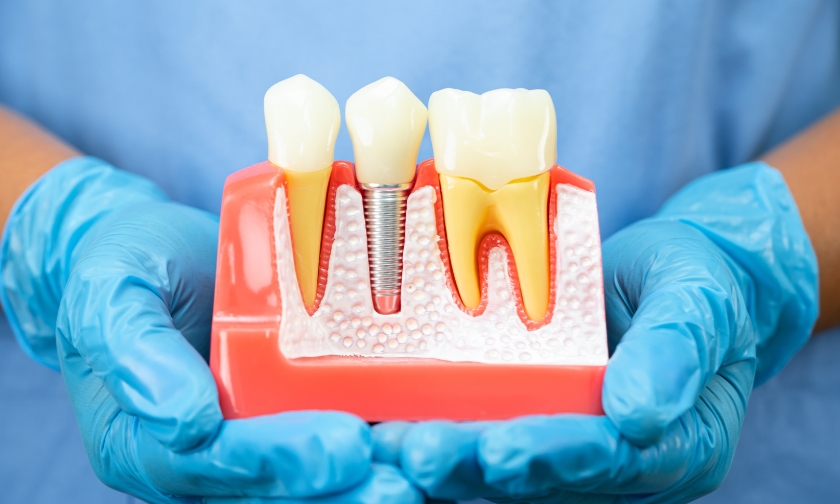
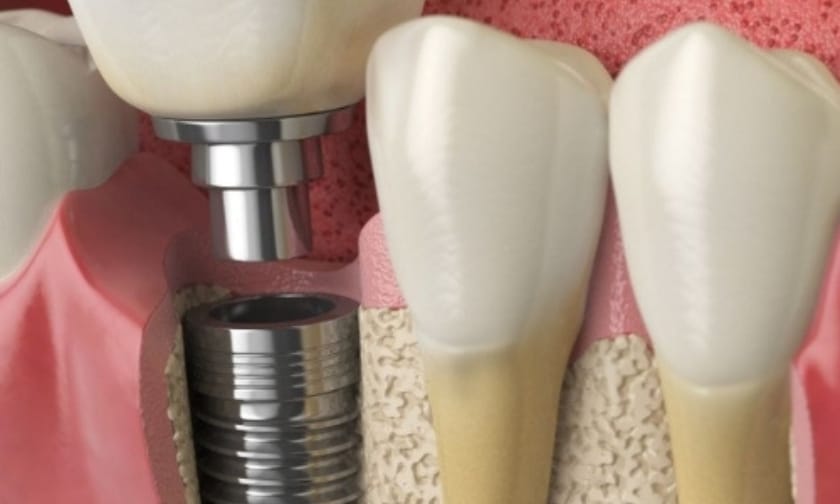
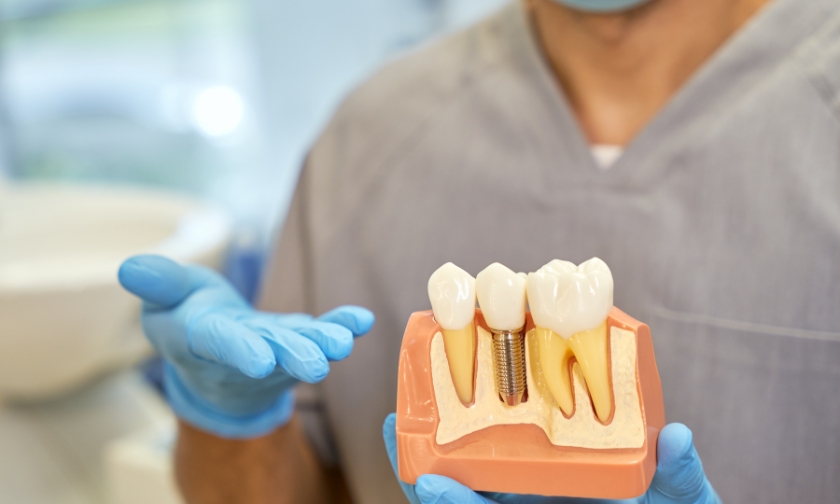
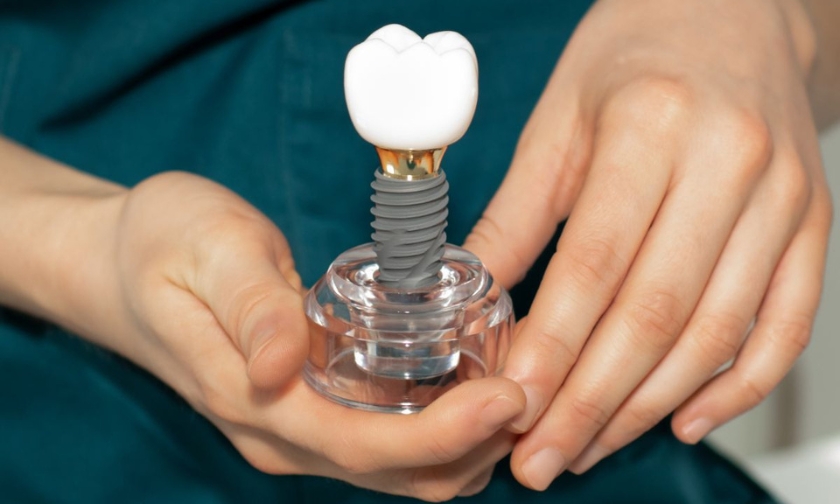
Implants provide strong support by replacing both the root and the visible part of the tooth. These dental implants in Nederland help maintain bone structure and function naturally.
Bridges are fixed restorations that use adjacent teeth for support. They fill the gap and restore your ability to chew and speak comfortably.
Partial dentures are removable options that replace one or more missing teeth. They are often used when multiple teeth are missing.
Each option serves a different purpose. The right choice depends on your oral health, the location of the missing tooth, and your long-term goals. A detailed evaluation helps determine what works best for you.
When Should You Replace a Missing Tooth?
The best time to replace a missing tooth is as soon as possible. Early action helps preserve bone and prevents surrounding teeth from shifting.
In many cases, planning begins soon after healing from tooth loss. Waiting too long can reduce the available bone and make replacement more complex.
Timely care keeps your treatment options open. It also helps maintain your natural bite and prevents additional issues from developing.
Acting early is not just about convenience. It is about protecting your oral structure before changes become harder to manage.
How to Protect Your Smile After Tooth Loss
Taking care of your smile after losing a tooth is essential.
Maintain good oral hygiene by brushing and flossing regularly. Keeping your remaining teeth clean helps prevent further problems.
Avoid putting too much pressure on one side of your mouth. Try to chew evenly to reduce strain.
Schedule regular dental visits to monitor changes. Early detection of shifting or bone loss allows for timely intervention.
Staying proactive helps you protect your oral health and maintain a functional, balanced smile.
Ignoring a missing tooth may seem harmless at first, but the effects build over time. Bone loss, shifting teeth, and bite problems can change how your mouth functions and feels.
Taking action early helps prevent these issues before they become more complex. Replacing a missing tooth supports your oral health, improves function, and helps maintain your natural appearance.
If you are unsure about your next step, a consultation can give you clarity. The team at Nederland Family Dental can evaluate your situation and guide you toward the right solution so you can move forward with confidence.
What People Ask
How long can you go without replacing a missing tooth?
You can go without replacing it, but changes begin within weeks. Bone loss starts early, and nearby teeth may shift over time. The longer you wait, the more complex the problem can become.
Is it okay to leave a back tooth missing?
Even if it is not visible, the back teeth handle most chewing. Leaving one missing can affect your bite, create uneven pressure, and lead to wear on other teeth.
Does bone loss happen right after tooth loss?
Yes, bone loss begins soon after a tooth is lost. Without stimulation from the tooth root, the jawbone in that area starts to shrink gradually.
Can other teeth move if one tooth is missing?
Yes, teeth naturally shift into empty spaces. This can lead to misalignment, spacing issues, and changes in how your teeth fit together.
Can a missing tooth cause jaw pain?
It can. Changes in your bite may put extra strain on the jaw, leading to discomfort, tension, or uneven movement over time.