

What Is Osseointegration, and Why Does It Matter for Your Implant’s Long-Term Success?
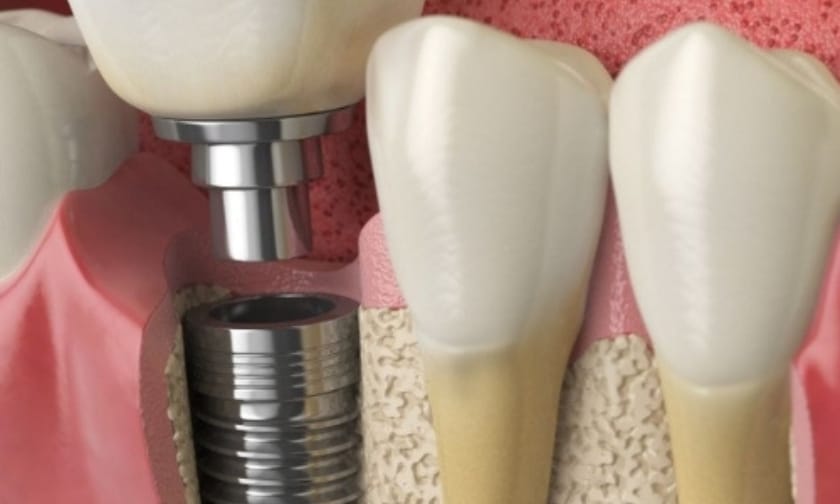
Many people picture the visible crown when they think about tooth replacement. However, the real success happens beneath the surface. A strong, lasting result depends on how well the implant connects with your jawbone. This is not just about placing a post in the bone. It involves a natural biological process that determines whether the implant will truly function like a real tooth.
That process is called osseointegration. In simple terms, it is how your bone grows and bonds around the implant, creating a stable foundation. Without it, even the most precise placement cannot deliver long-term results.
At practices like Nederland Family Dental, the focus is not only on restoring your smile but also on ensuring this hidden process is successful. Understanding how it works helps you make informed decisions about dental implants and what to expect from your treatment.
What Is Osseointegration?
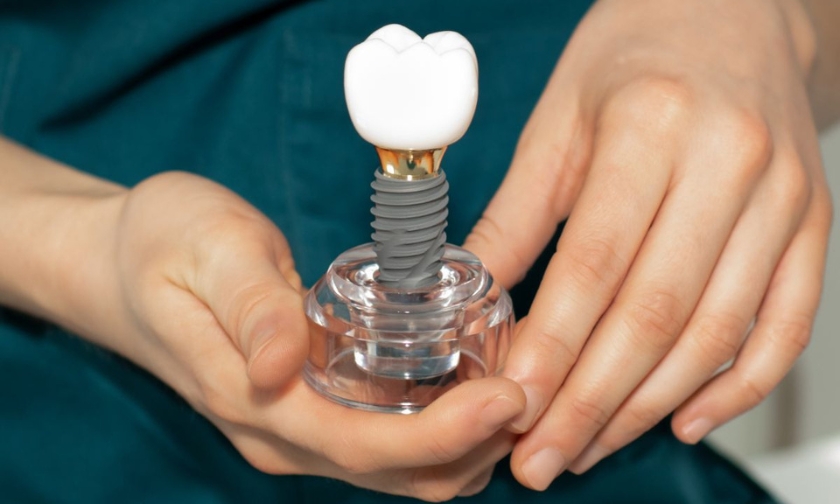
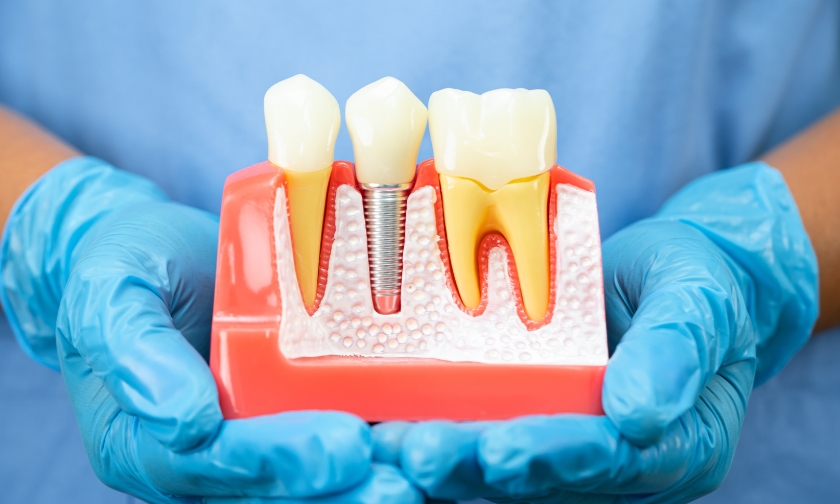
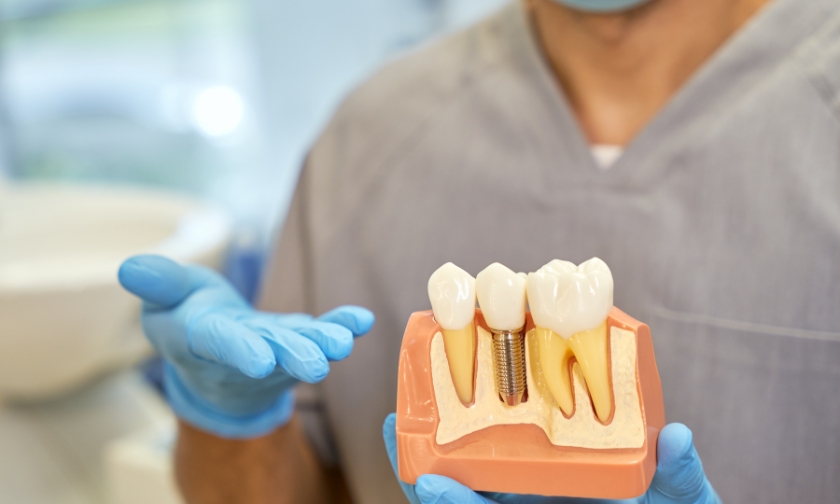
Osseointegration is the biological process where your jawbone naturally fuses with a dental implant. Instead of the implant simply sitting in the bone, it becomes part of it. This creates a firm, stable base that can support a crown, bridge, or denture over time.
The material used for implants plays a key role here. Most implants are made of titanium, a metal known for its biocompatibility. This means the body accepts it without rejection. Bone cells recognize the implant surface and begin attaching to it, forming a secure connection. Over time, this bond strengthens, allowing the implant to handle everyday pressure like chewing and speaking.
This process is what makes dental implants in Nederland different from other tooth replacement options. Traditional restorations, such as bridges or removable dentures, rely on surrounding teeth or soft tissue for support. They do not integrate with the bone. As a result, they may shift, loosen, or require adjustments over time.
With osseointegration, the implant behaves more like a natural tooth root. It helps maintain bone structure, prevents bone loss, and provides long-term stability. This is why the success of your treatment depends heavily on how well this process occurs beneath the surface.
How Does Osseointegration Work?
Understanding the process step by step makes it easier to see why patience is essential during treatment.
Initial Placement
The implant is carefully placed into the jawbone during a minor surgical procedure. Precision matters at this stage because proper positioning sets the foundation for healing.
Healing Phase
After placement, your body begins its natural healing response. Bone tissue starts adapting around the implant. This phase requires careful aftercare to avoid complications.
Bone Integration
Over the next few weeks, bone cells attach to the implant surface. This is the core of osseointegration. The connection gradually strengthens as new bone forms around the implant.
Stabilization
Eventually, the implant becomes securely anchored within the jaw. At this point, it can support a restoration like a crown.
The entire process usually takes a few months, depending on individual healing. While it may feel slow, this timeline ensures the implant becomes stable enough for long-term use.
Why Is Osseointegration So Important for Implant Success?
Osseointegration is what transforms an implant into a functional part of your mouth. Without it, the implant would lack stability and could fail under pressure.
A properly integrated implant offers strength and durability. It allows you to chew comfortably without worrying about movement. Everyday activities like eating, speaking, and smiling feel natural because the implant behaves like a real tooth root.
In contrast, when osseointegration does not occur as expected, the implant may feel loose or uncomfortable. In some cases, it may need to be removed. This highlights how critical the healing phase is for long-term success.
From a practical standpoint, strong integration also protects your jawbone. When teeth are missing, bone loss can occur over time. An integrated implant helps preserve bone density, maintaining facial structure and oral health.
For patients in Nederland and nearby communities, this means fewer long-term concerns and a solution that supports both function and appearance for years to come.
What Factors Affect Osseointegration?
Several factors influence how well your body integrates with an implant:
- Bone density and quality determine how strong the foundation is
- Overall, oral health affects healing and tissue response
- Smoking can slow healing and reduce success rates
- Medical conditions like diabetes may impact recovery
- Surgical precision and proper planning improve outcomes
Each of these plays a role in how smoothly the process unfolds. A thorough evaluation before treatment helps identify and manage these factors.
Signs That Osseointegration Is Successful
Most patients want reassurance that everything is healing properly. Fortunately, there are clear signs to look for.
A successful implant typically feels stable when you bite or chew. There should be no unusual movement or shifting. Mild discomfort early on is normal, but persistent pain is not. As healing progresses, the gums should appear healthy without swelling or redness.
Another positive sign is your ability to move forward with the next stage of treatment. Once the implant is fully integrated, it can support a crown or other restoration without complications.
Regular follow-up visits help confirm progress. Your dental provider will check the implant’s stability and monitor how the surrounding tissue responds. This ensures any concerns are addressed early.
Patients who follow care instructions closely often experience smooth healing and reliable results.
What Can Interfere with Osseointegration?
While the process is highly predictable, certain factors can interfere with healing.
Infection at the implant site is one of the most common concerns. It can disrupt the bonding process and lead to complications if not treated promptly. Poor oral hygiene increases this risk by allowing bacteria to build up around the implant.
Applying too much pressure on the implant too soon can also cause problems. During the healing phase, the implant needs time to stabilize. Biting hard foods or using the area excessively may affect integration.
Smoking is another major factor. It reduces blood flow, which slows healing and makes it harder for the bone to bond with the implant.
Being aware of these risks helps you take the right precautions during recovery.
How to Support Proper Osseointegration
You play an active role in the success of your treatment. Simple steps can make a meaningful difference.
Follow post-procedure instructions carefully, especially during the early healing phase. Keep the area clean by maintaining good oral hygiene habits. Gentle brushing and proper care help prevent infection.
It is also important to avoid hard or sticky foods until your provider confirms healing is complete. This reduces stress on the implant while the bone is still adapting.
Attending follow-up visits ensures your progress is monitored. Your provider can make adjustments if needed and confirm that healing is on track.
Patients who stay consistent with these steps often experience a smoother recovery and better long-term outcomes.
How Long Does Osseointegration Take?
The timeline for osseointegration varies from person to person, but it generally takes between three and six months. Some patients may heal faster, while others may need additional time depending on bone quality and overall health.
Factors such as age, lifestyle habits, and medical conditions can influence healing speed. For example, patients with strong bone density often experience quicker integration.
Once the implant is fully integrated, the final restoration is placed. This is when the visible part of the tooth is attached, completing the process.
Although waiting may feel challenging, this period is essential. It ensures the implant is strong enough to function properly for years to come.
Osseointegration vs Traditional Tooth Replacement
One of the biggest advantages of dental implants in Nederland is how they interact with the jawbone. Unlike dentures or bridges, implants do not rely on surrounding structures for support. Instead, they become part of the bone itself.
Traditional options may shift or require adjustments over time. They can also contribute to gradual bone loss since they do not stimulate the jawbone in the same way.
In contrast, osseointegration provides a stable and lasting solution. It helps maintain bone health, improves comfort, and allows for a more natural feel.
For many patients, this difference translates into greater confidence and fewer long-term concerns.
When it comes to lasting results, what happens beneath the surface matters most. Osseointegration is the reason implants feel stable, function naturally, and stand the test of time. It is not just a technical step but the foundation of long-term success.
Choosing the right approach and following proper care guidelines can make a meaningful difference in your outcome. If you are considering this treatment or want to understand your options better, a professional evaluation is the next step.
At Nederland Family Dental, patients receive personalized guidance based on their oral health and goals. If you are ready to restore your smile with confidence, schedule your visit and take the first step toward a solution built to last.
Frequently Asked Questions
How long does osseointegration usually take?
It typically takes between three and six months. Healing time varies depending on your bone quality, overall health, and how well you follow aftercare instructions.
What happens if osseointegration fails?
If the implant does not bond with the bone, it may feel loose. In such cases, it is usually removed, and the area is allowed to heal before trying again.
Can smoking affect osseointegration?
Yes, smoking can slow healing and reduce blood flow. This makes it harder for the bone to properly bond with the implant.
Do implants feel like natural teeth after integration?
Yes, once fully healed, implants feel stable and natural. They allow you to eat, speak, and smile comfortably without movement.
Can I eat normally during the healing phase?
You should stick to softer foods initially. This prevents pressure on the implant while the bone is still integrating.